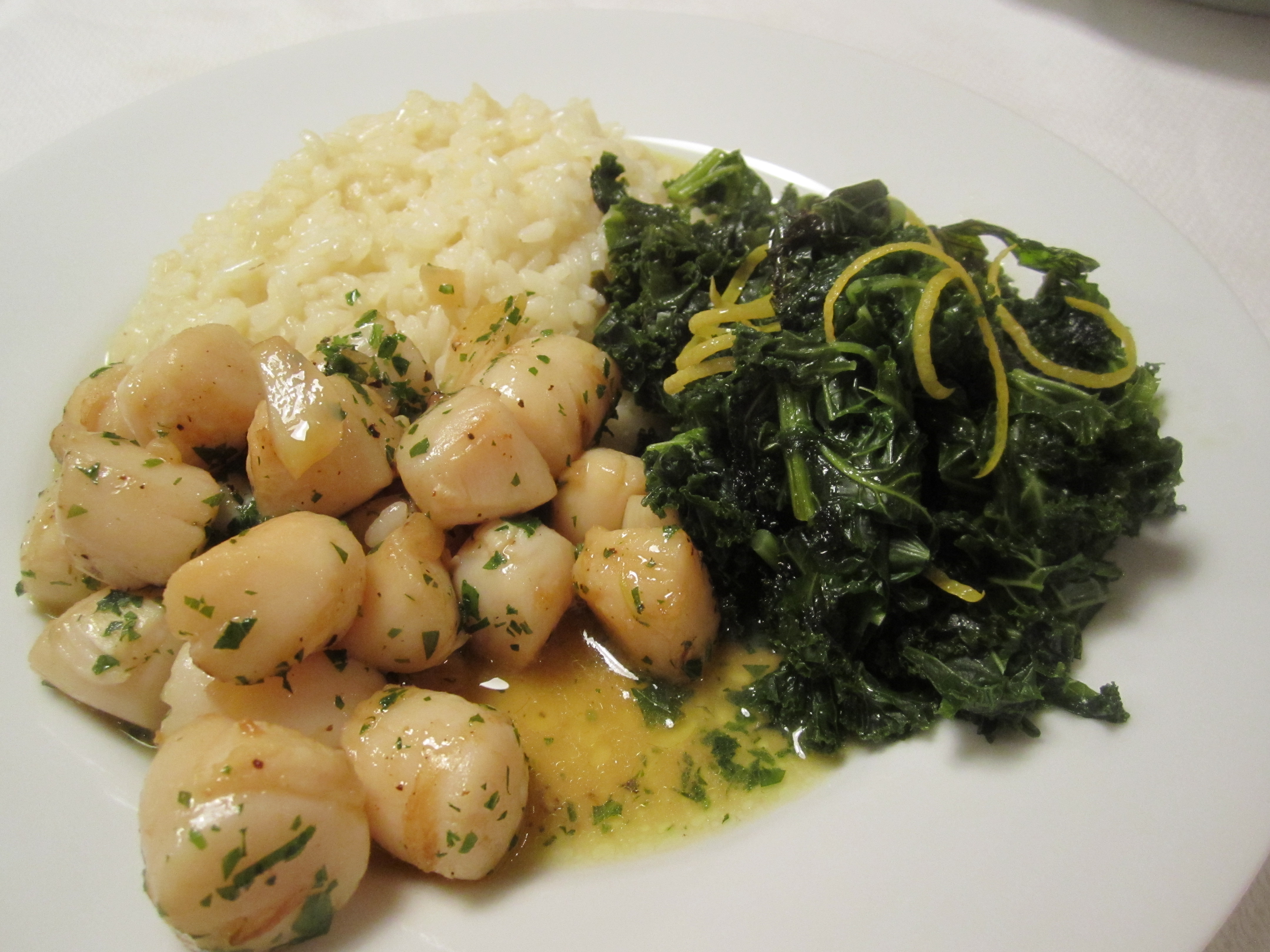
Sauteed Peconic Bay Scallops

Peconic Bay Scallops are in season this time of year–different from the large sea scallops that we normally get year-round.  They are an exquisitely sweet treat.

Because they are small and delicate, they need to be handled with care.  My favorite way to make them is to sear them ever so briefly with some garlic and shallot, then add white wine, stock and parsley.  The mixture is reduced slightly and the whole dish is done in about five minutes.  It’s a juicy dish that requires a bit of bread or rice to capture its magnificent sauce.

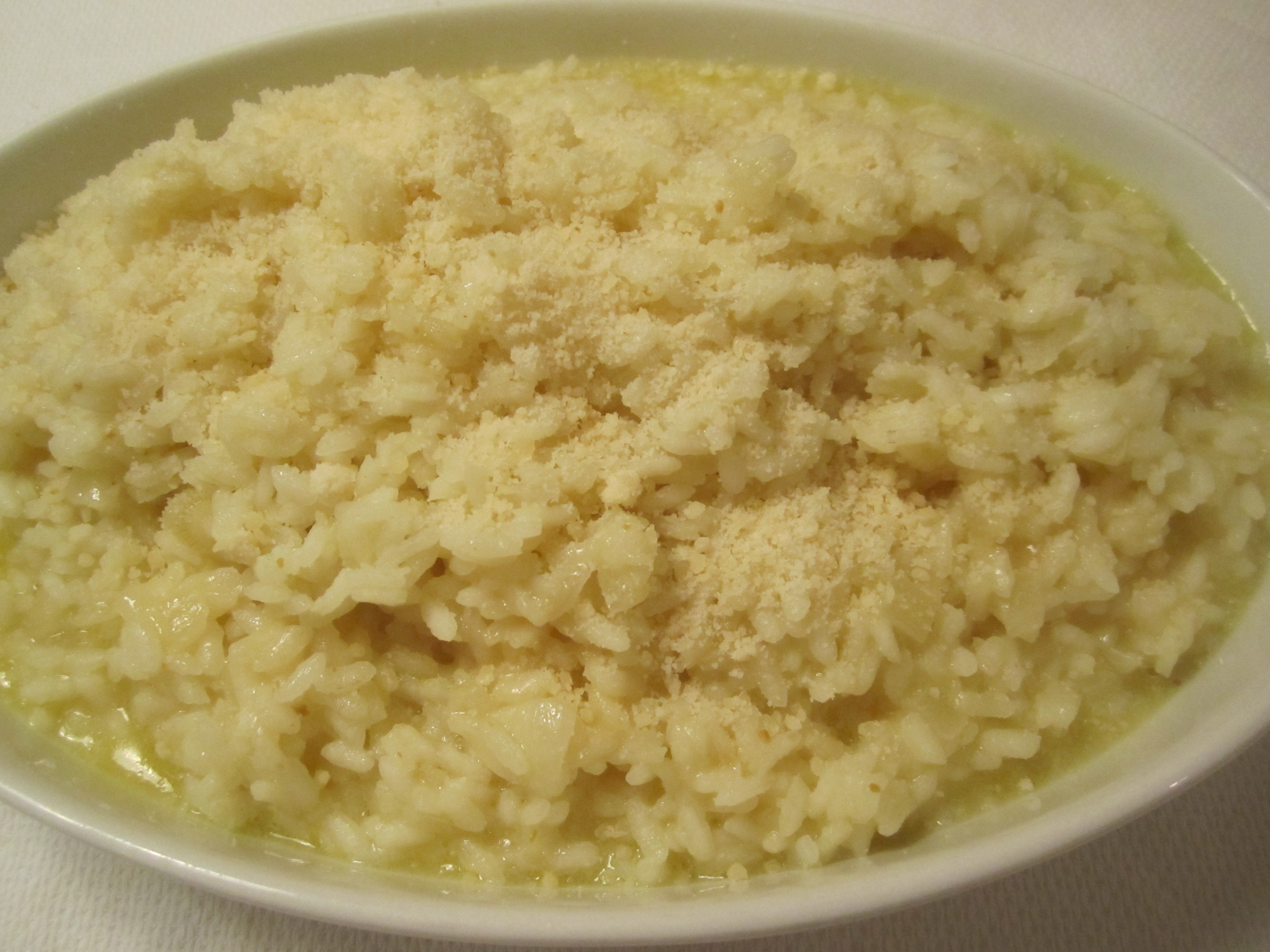
Tonight, I decided to make risotto out of the rice that held the white truffles I bought a couple of weeks ago (see pasta with white truffles). Because the rice had held the truffles, it was very stongly infused with their magical flavor.  Therefore, I added an equal amount of plain rice to the risotto to maintain a subtle undertone of truffle flavor without it being overpowering–it was a wonderful complement to the elegant, refined sauce and sweet, delicate scallops.
In addition to the rice, we had kale, blanched, then sauteed with butter and lemon zest.

As a first course, we had a salad of golden beets, lettuce, arugula and goat cheese–all from the farm stand.

Sauteed Peconic Bay Scallops

Serves 2

1 lb Peconic Bay scallops, well dried

2 small shallots, peeled and finely diced

3 cloves of garlic, cut in half

3 tbls olive oil

1/2 c white wine

1/2 c chicken broth

2 tbls chopped fresh parsley

Place shallots and garlic in oil in a broad skillet (unheated), then turn heat to high. When shallots are sizzling, add scallops and sprinkle with a half-teaspoon of salt.  Allow to sear undisturbed for about a minute.

Add white wine to skillet and reduce for a minute, then add broth. Reduce for another minute or two and add parsley, salt and pepper to taste.
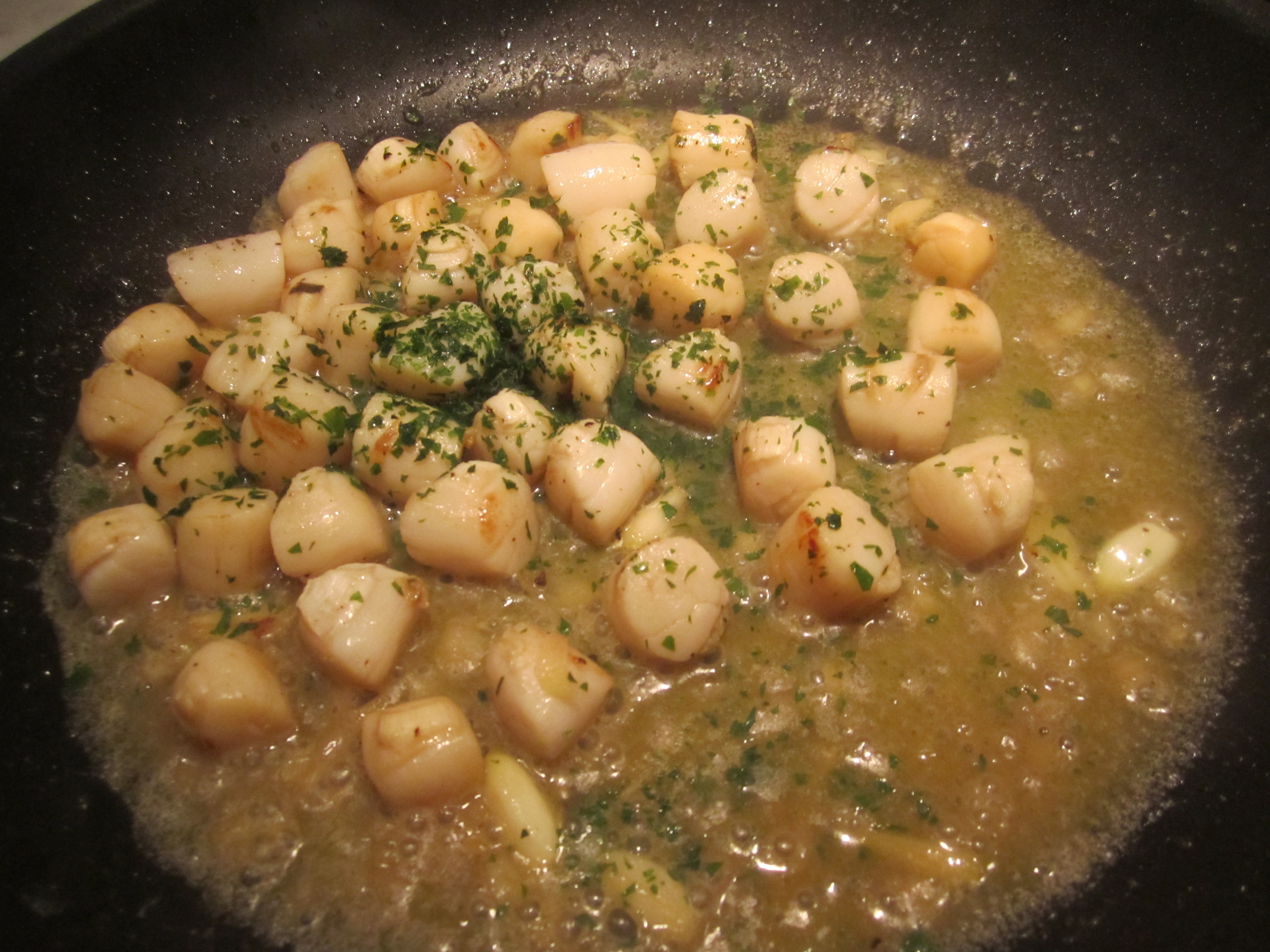
Serve with rice or bread.
Posted in Seafood | Leave a comment

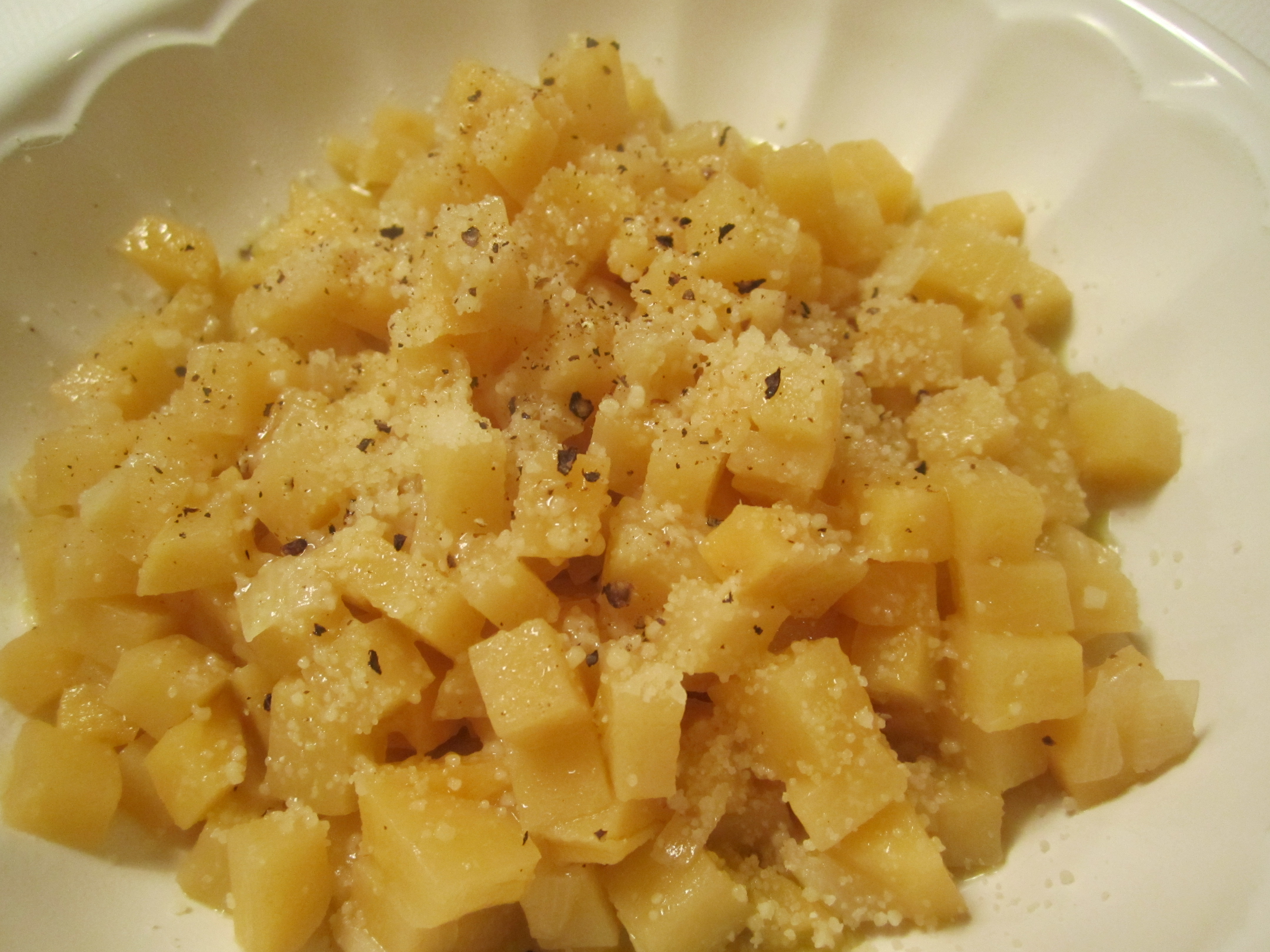
Turnip “Risotto”

This is my version of a dish that Mario developed many years ago, which makes ingenious use of turnips.   The turnips are diced into tiny cubes, then sauteed and stirred while broth is gradually added.  Turnips are a very sturdy vegetable and take a while to soften, therefore the moist cooking is a beautiful way to extract maximum flavor from them, while getting them to optimal softness.

Be sure to allow 40 to 45 minutes for this dish from start to finish.  You’ll need to have a good amount of simmering broth on the side, but the turnips don’t soak up nearly as much broth as rice, so a 1.5 to 1 ratio of broth to turnip cubes is fine. 

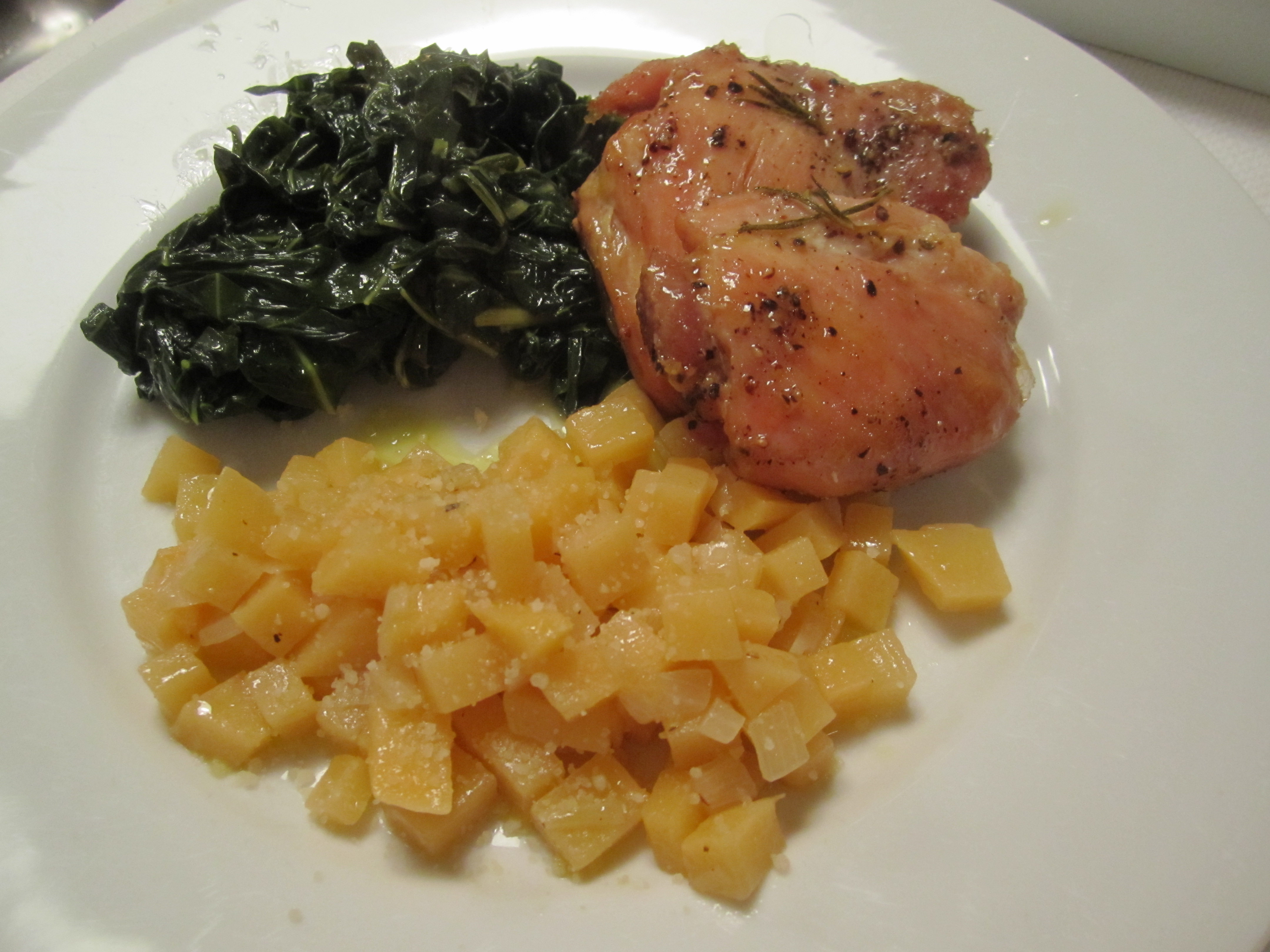
Tonight, our meal consisted of Beppi’s broiled chicken thighs with rosemary, plus collard greens (minus the bacon), with the turnips as our side dish. 


This was a wonderful combination because the oil from the chicken enhances the flavor of the turnips. 

Turnip “Risotto”

serves 4 as a side dish

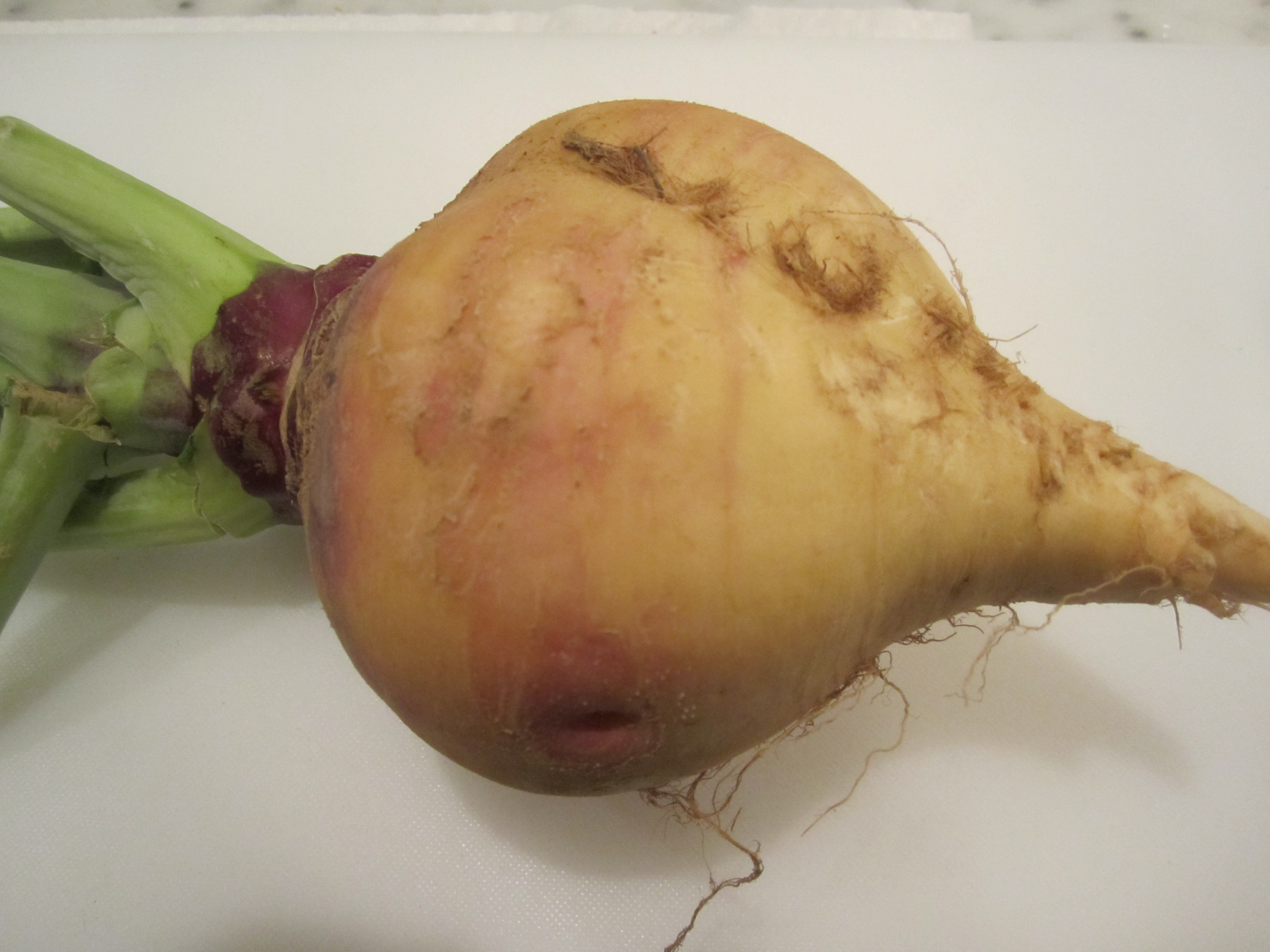
1 giant turnip (approximately 6″ in diameter) or 4 c turnip cubes

2 shallots, peeled and finely diced

2 tbls olive oil

1/2 c white wine

6 c chicken broth

salt and pepper to taste

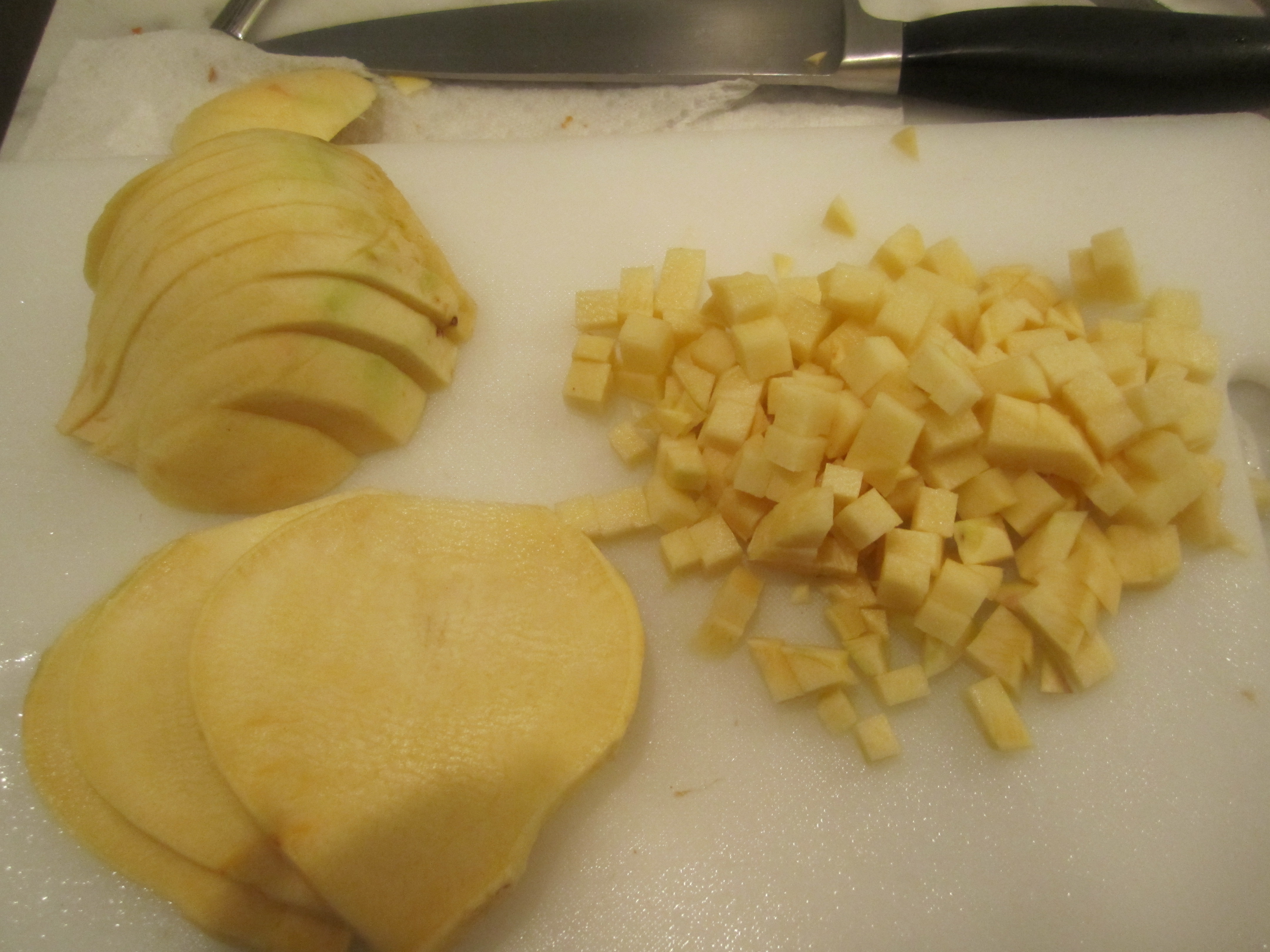
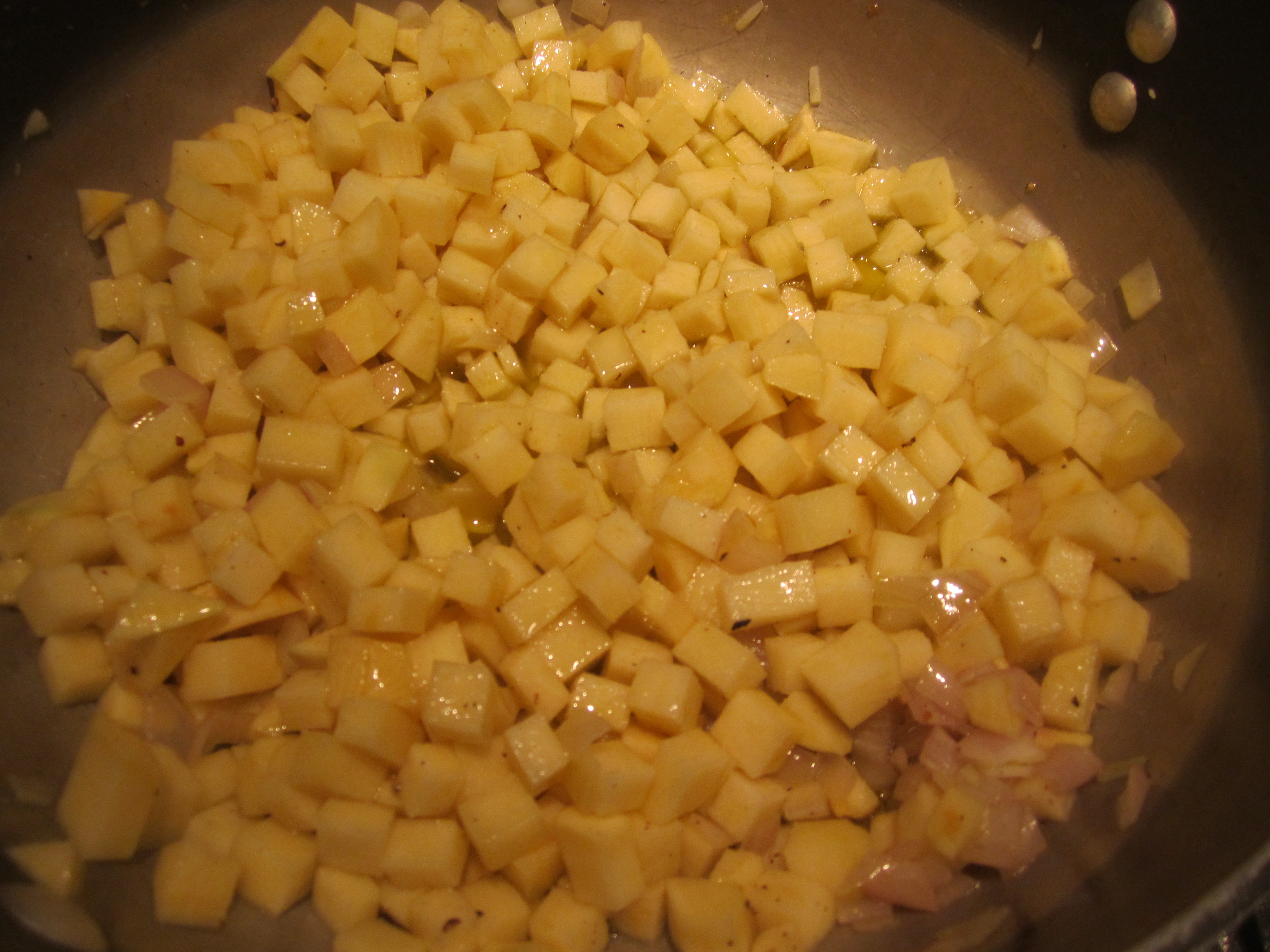
Peel, slice, and dice turnip into 1/4″ cubes.


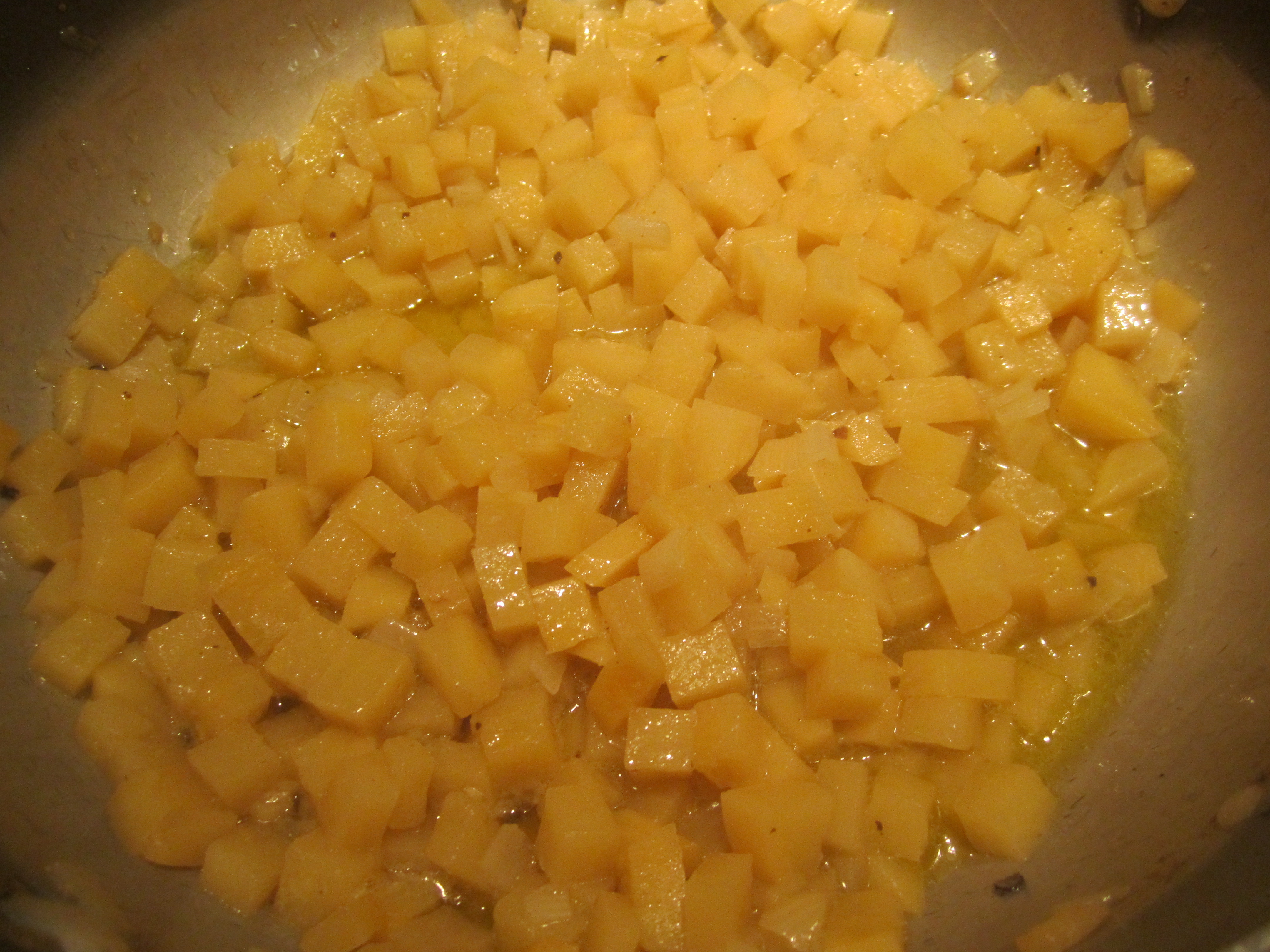
On medium-high heat, in a saucepan with curved sides, begin sauteing turnips and shallots in oil.  Continue cooking for about 5 minutes.   Add wine and saute for another 5 minute, or until wine has evaporated.

Begin adding broth, a half-cup at a time, and continue cooking uncovered on medium heat.  Stir and add broth every 5 minutes or so, for abut 35 to 40 minutes, or until turnips are tender. 

Top with grated parmigiano, black pepper and serve.

Posted in Risotti, Vegetables | Leave a comment

Fettucine with Spinach, Goat Cheese and Lemon


Goat cheese makes a terrific filling for ravioli–we used to serve them at Po Restaurant, stuffed with goat cheese and scallion, dressed with butter and sage.  They were a wonderfully rich and festive dish. 

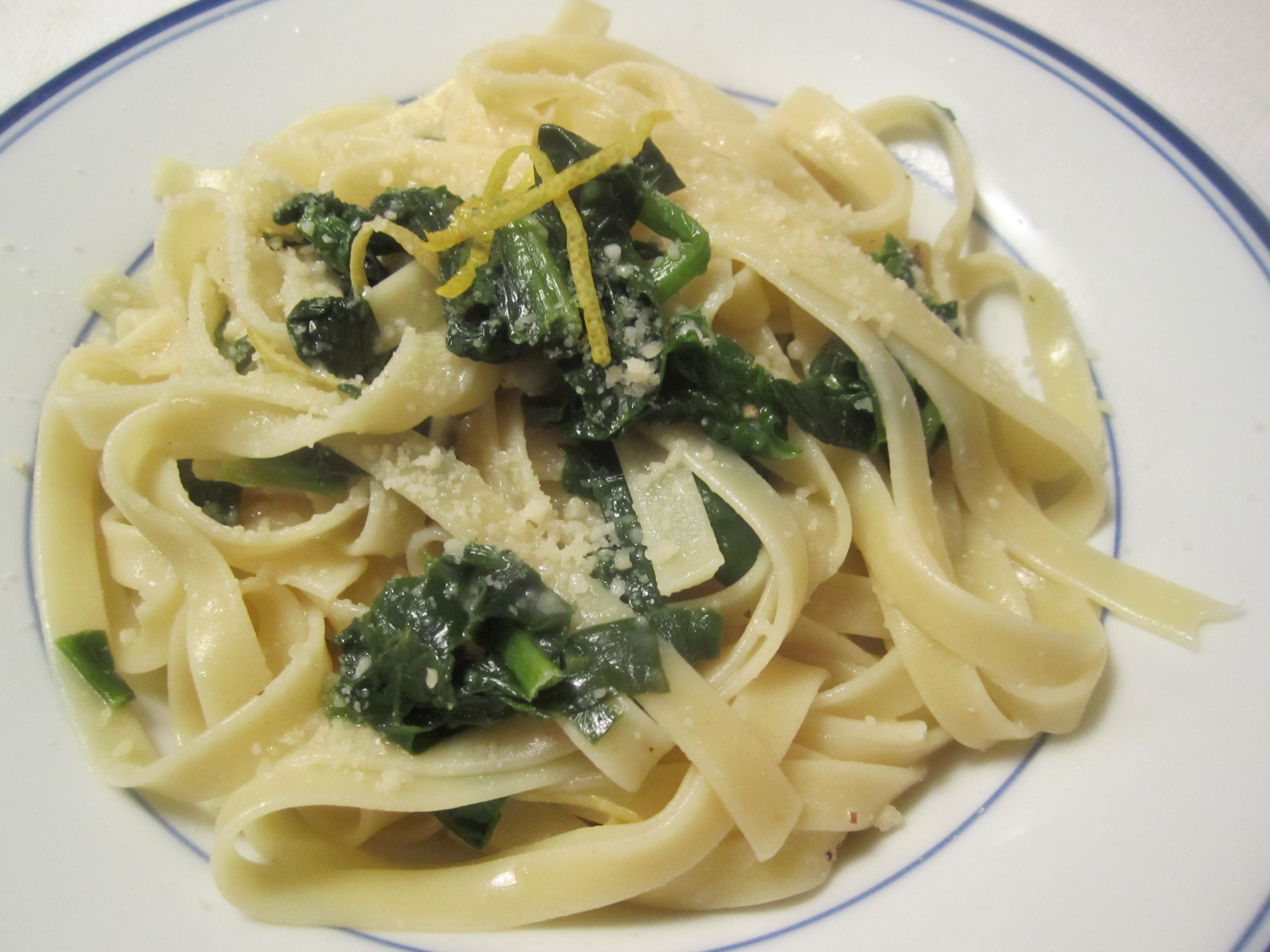
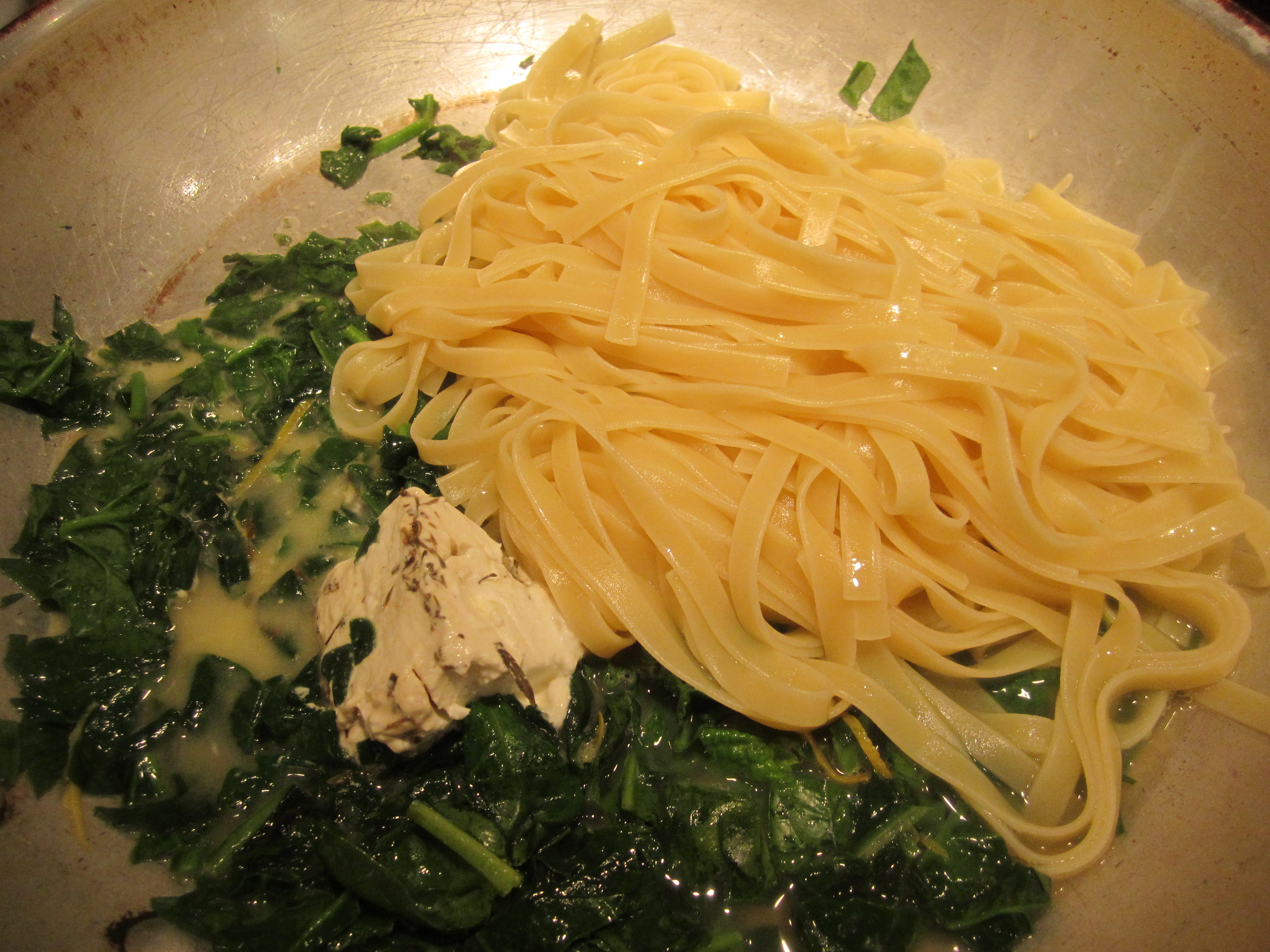
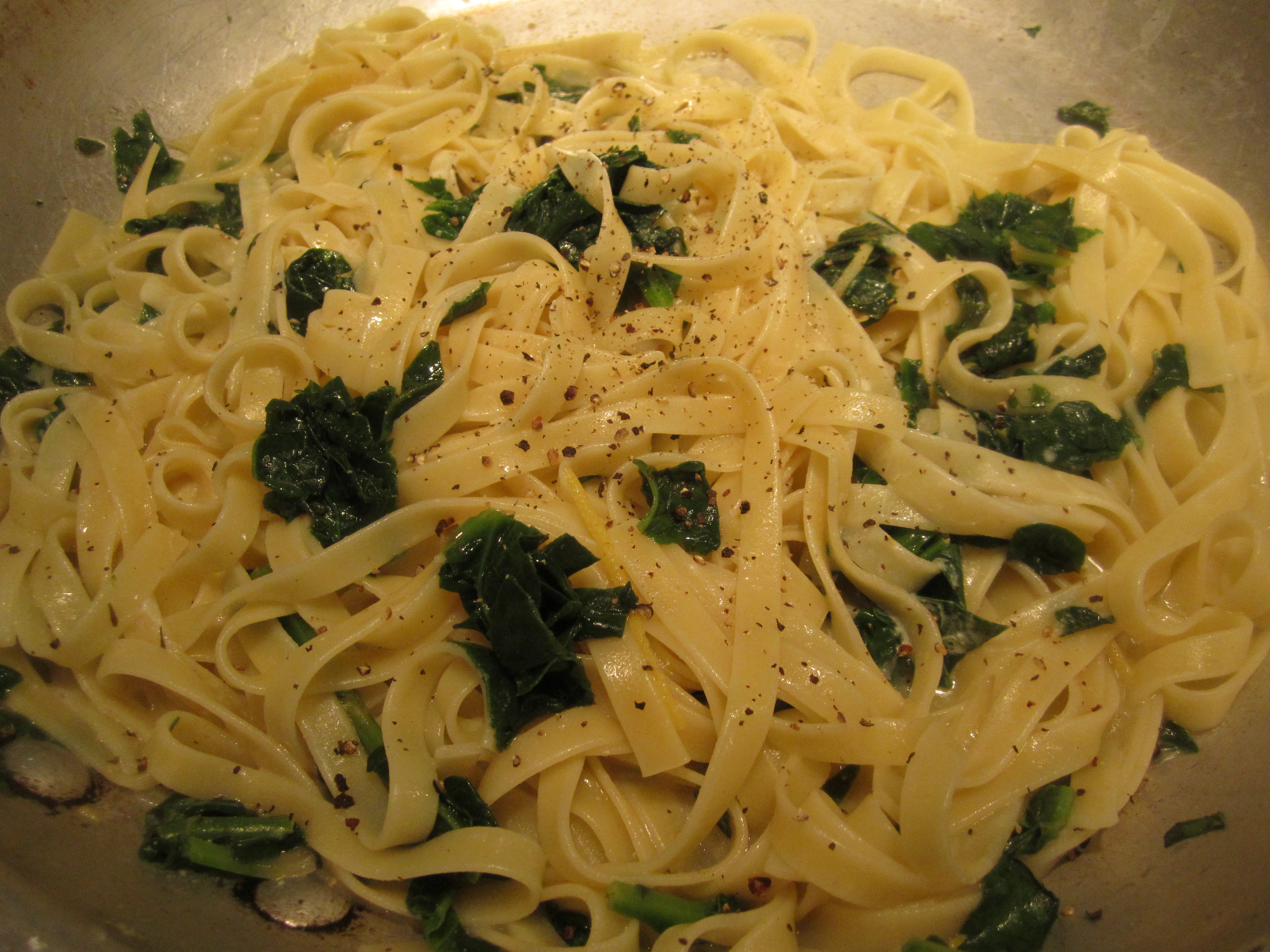
The same combination of flavors can also be assembled into a quick pasta dish for a weeknight meal.  Simple fettucine can be dressed with ribbons of spinach, butter, goat cheese (melted right into the sauce), and a few strips of lemon zest for bright, tartness.  A bit of chicken broth pulls all the flavors together, then disperses them evenly into a sauce.

The most time-consuming part of making this dish is cleaning the spinach, but if you’re using packaged, ready-washed spinach, all that remains is to boil the pasta and zest a lemon!

Fettucine with Spinach, Goat Cheese and Lemon

serves 2

1/2 lb fettucine

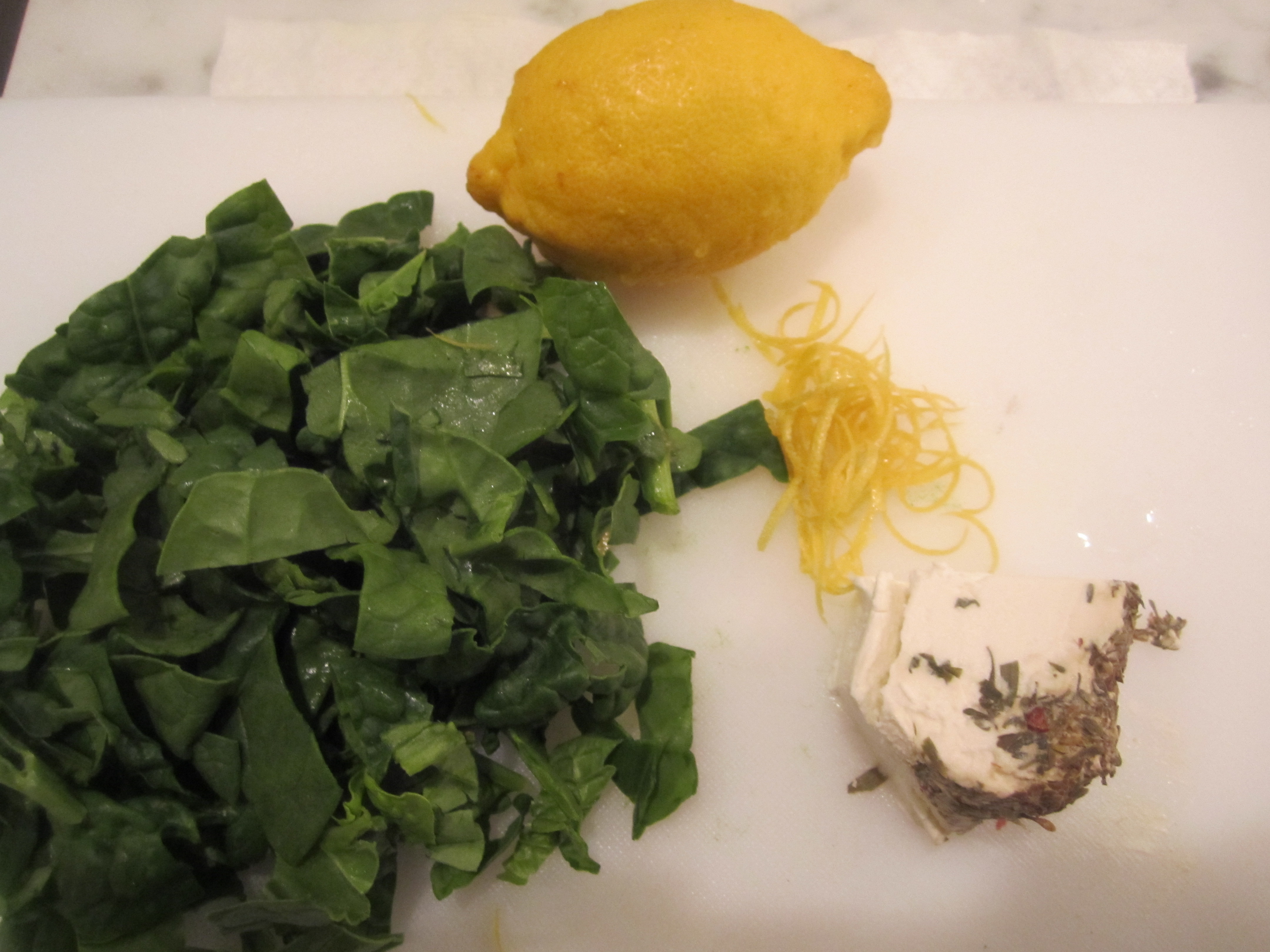
10 oz. fresh cleaned spinach, sliced into ribbons

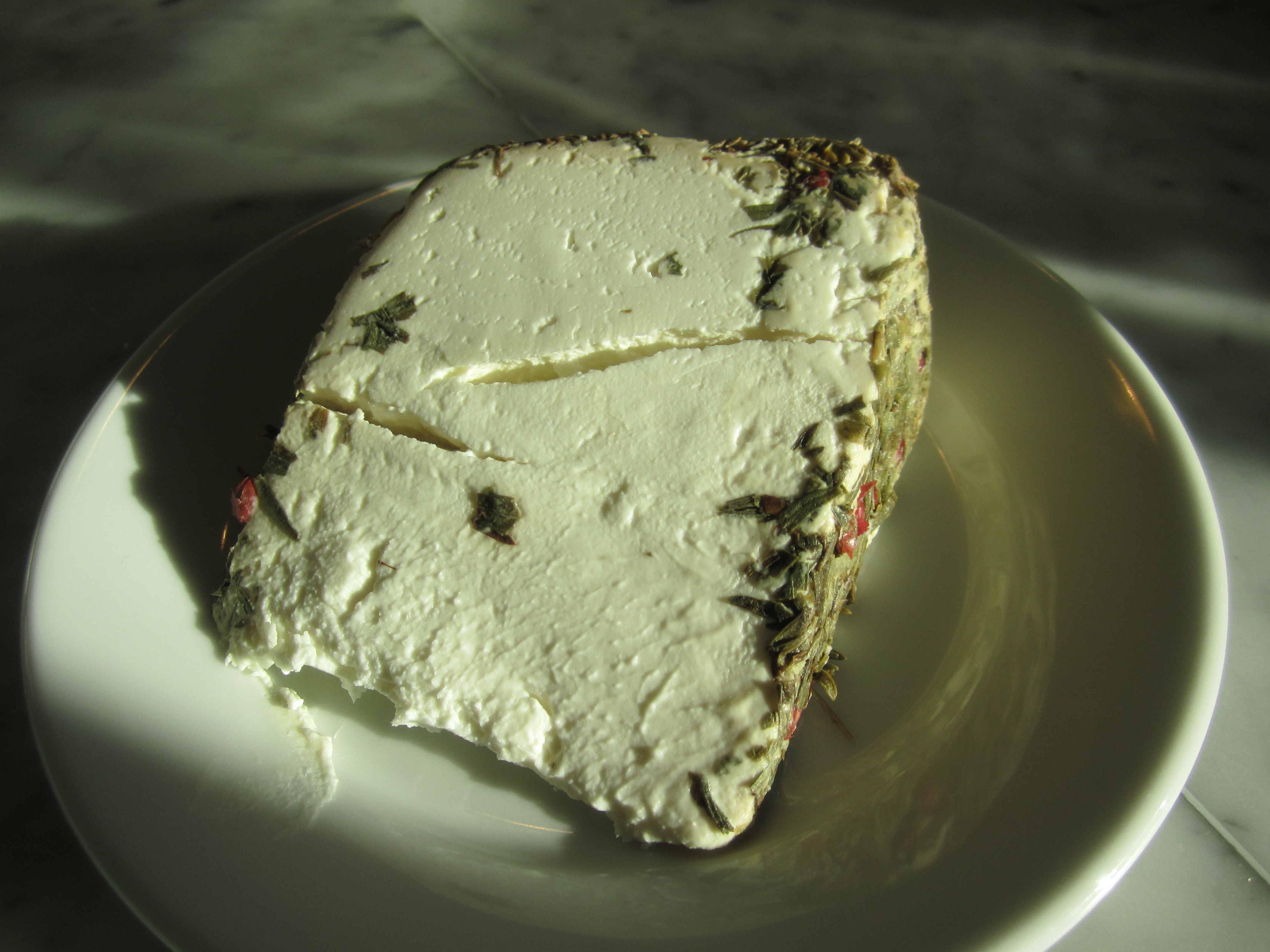
2 oz. creamy goat cheese (with herbs or without–if you’re using the herbed variety, remove all but about 1/2 teaspoon of the herbs).

3 tbls butter

1 c chicken broth

zest of a lemon

plenty of grated parmigiano for sprinkling


Boil pasta in salted water. 

When pasta is about 4 minutes shy of done, in a broad skillet, melt butter and add spinach and lemon.  Toss and saute for a minute. 

When pasta is a minute shy of done, add to skillet, along with goat cheese.

Toss and saute pasta in sauce for about a minute, adding some pasta cooking water if the mixture is tight.  Taste for salt, pepper, and serve.


Posted in Pasta | Leave a comment

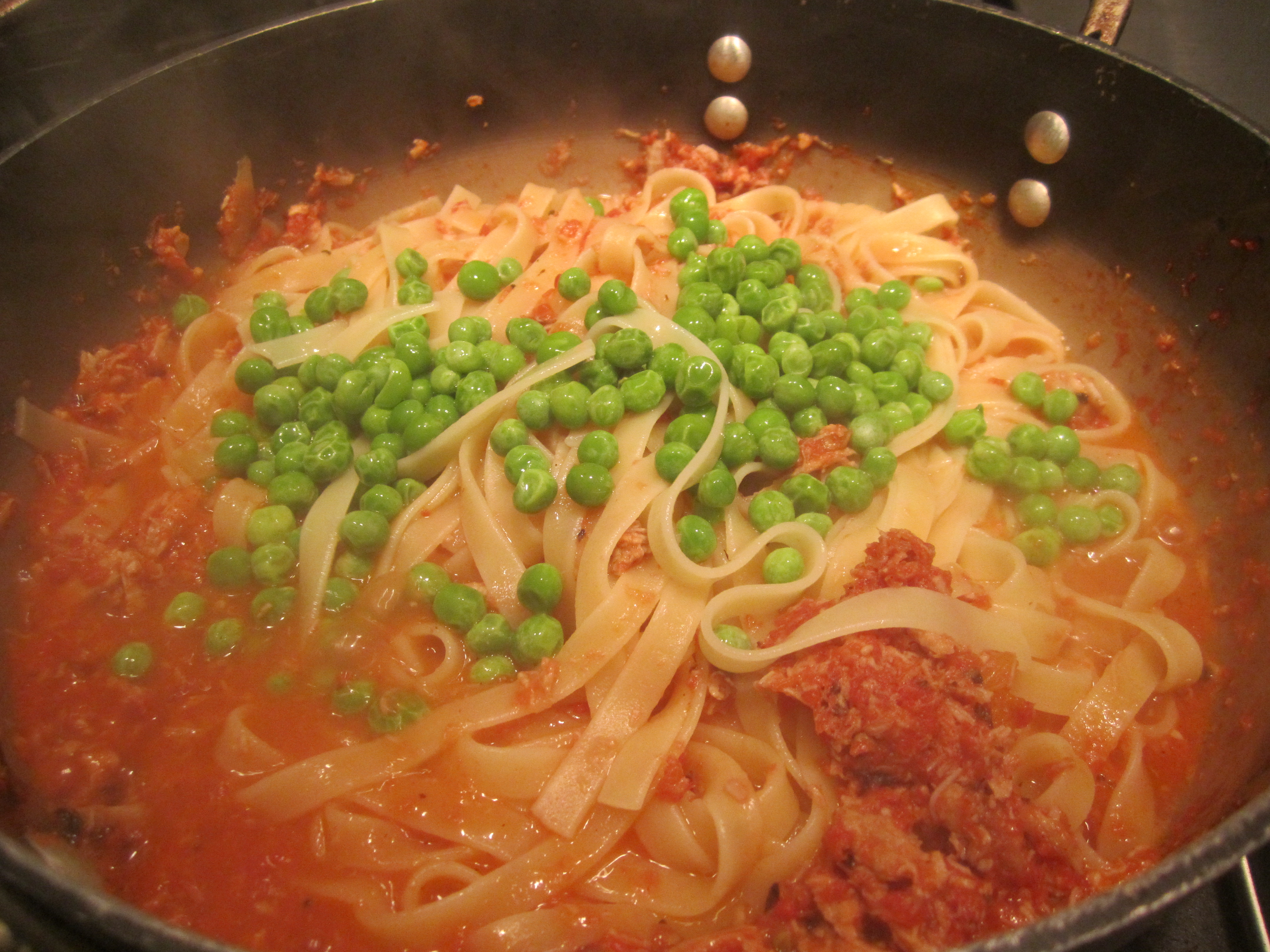
Fettucine with Pork Ragu and Peas

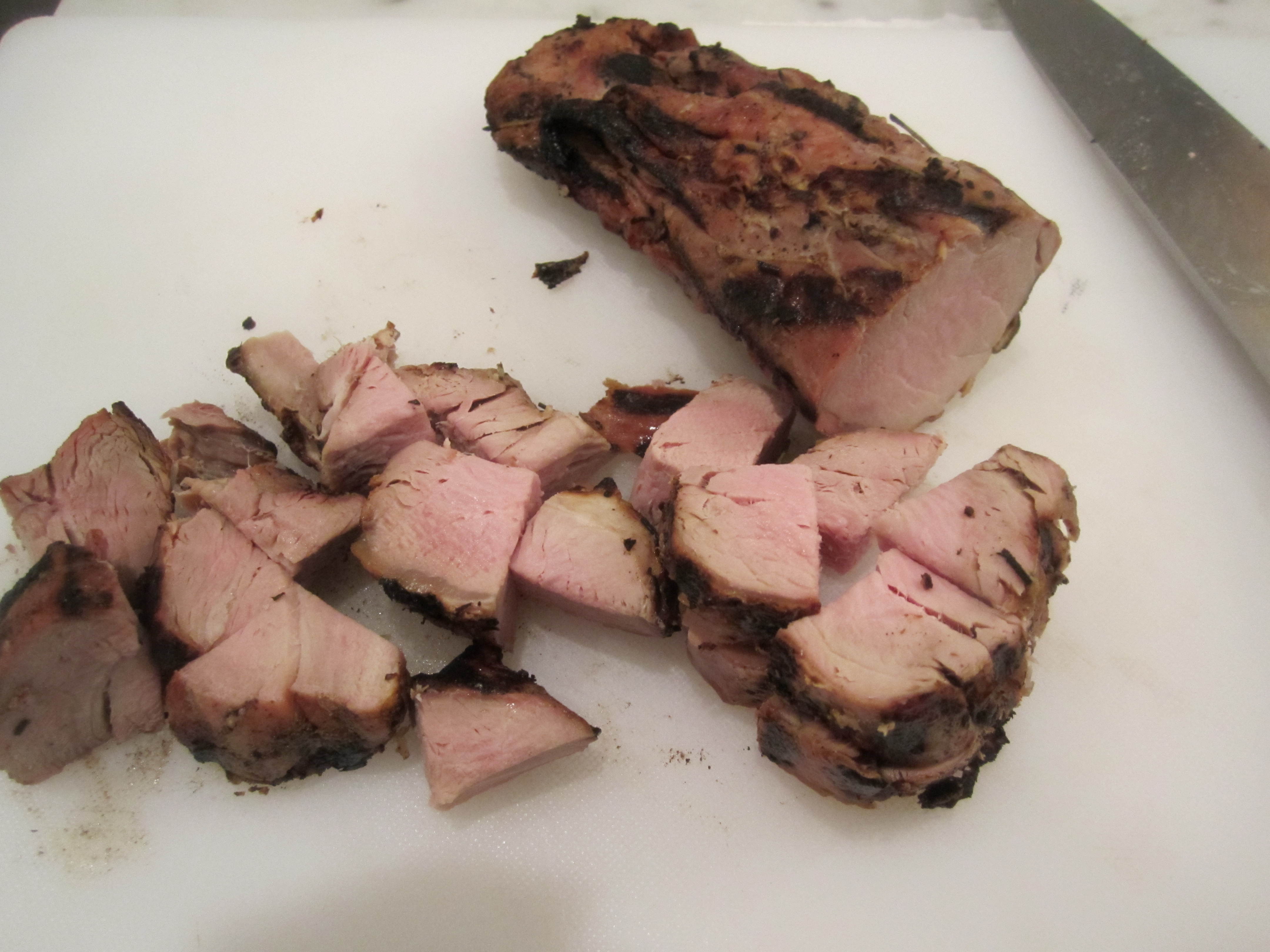
I have a dry-rubbed grilled pork tenderloin left over from my dinner the other evening. Yes–this is another lesson in recycling leftovers–one of my favorite pastimes.

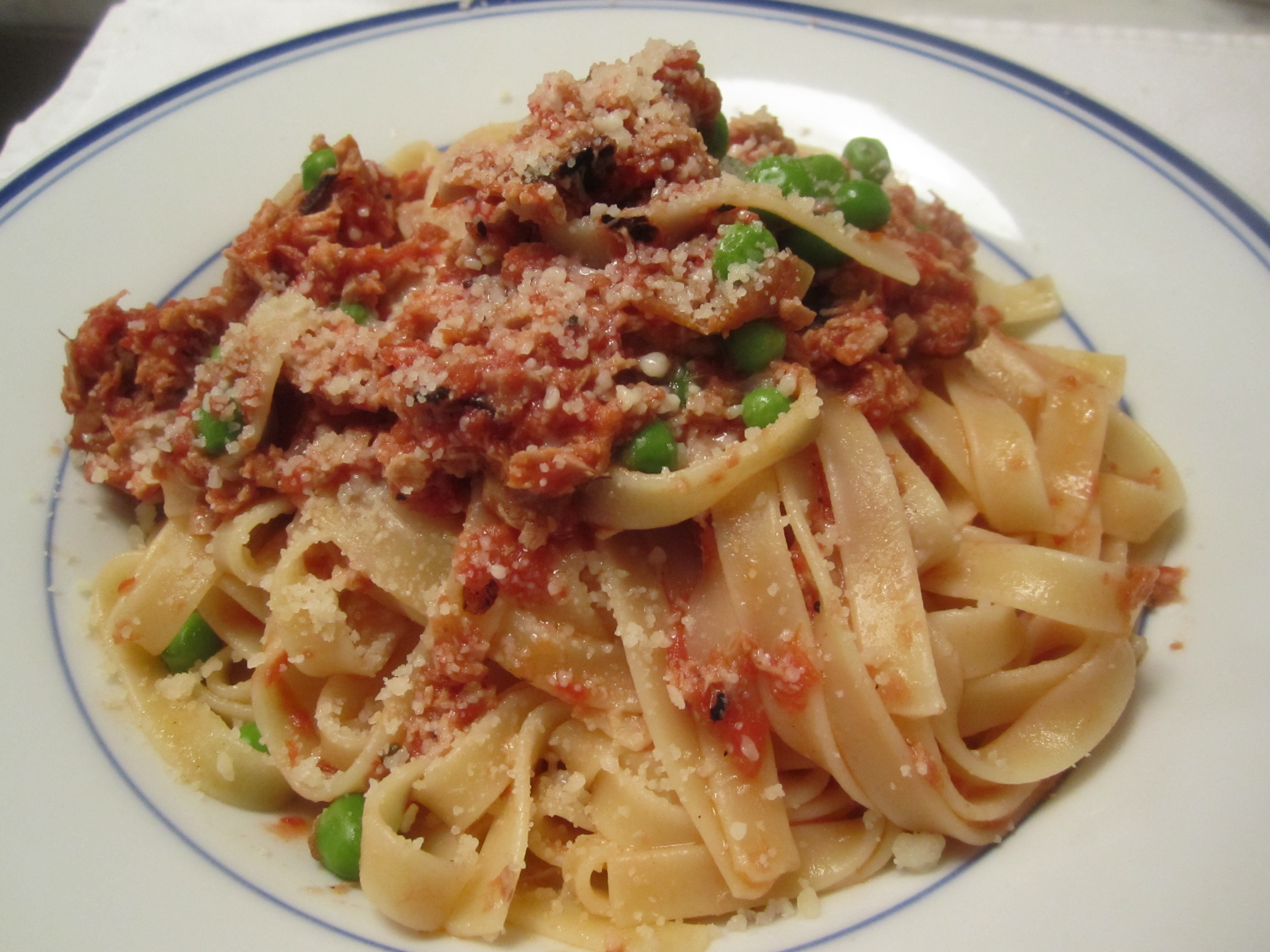
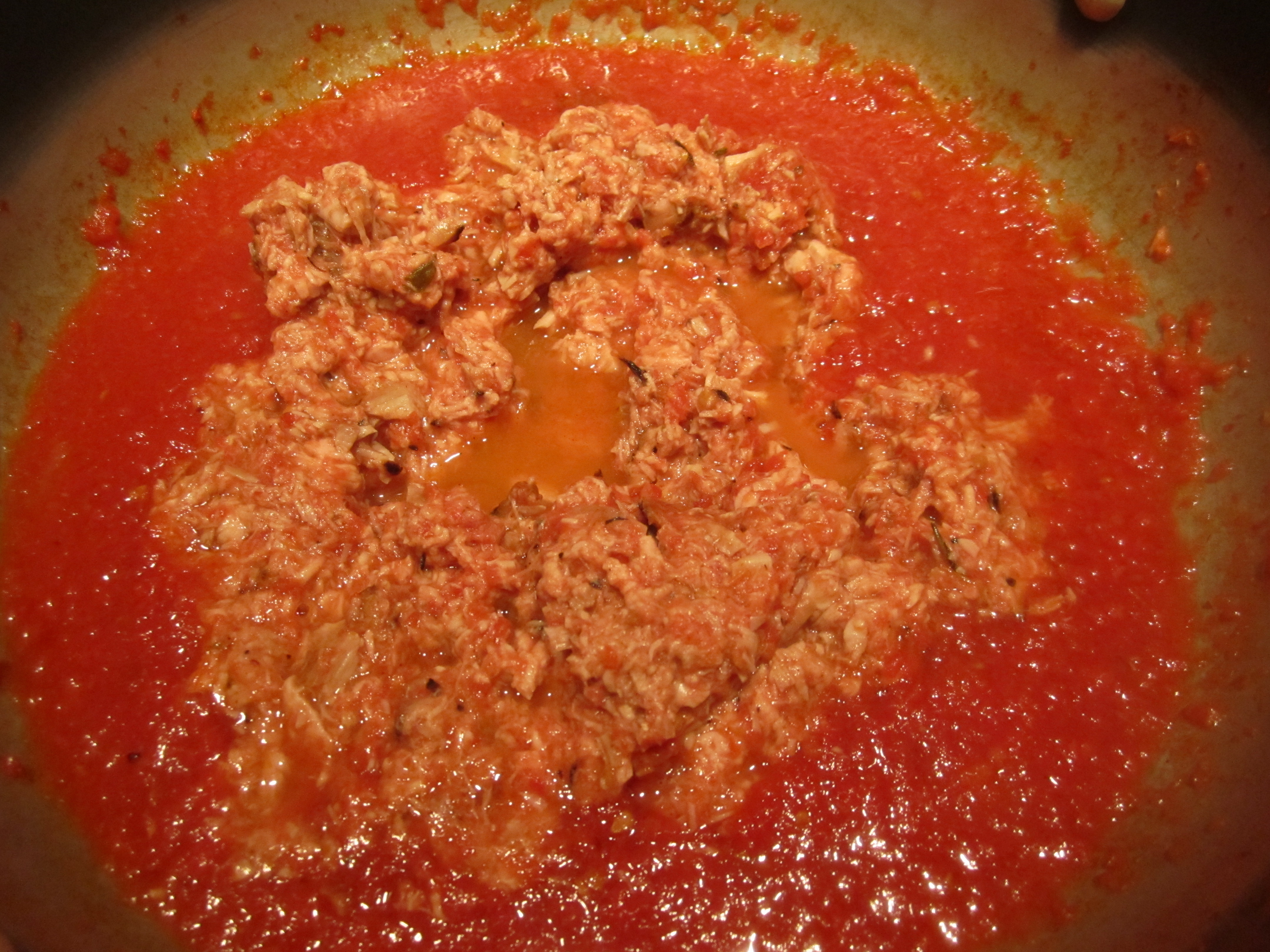
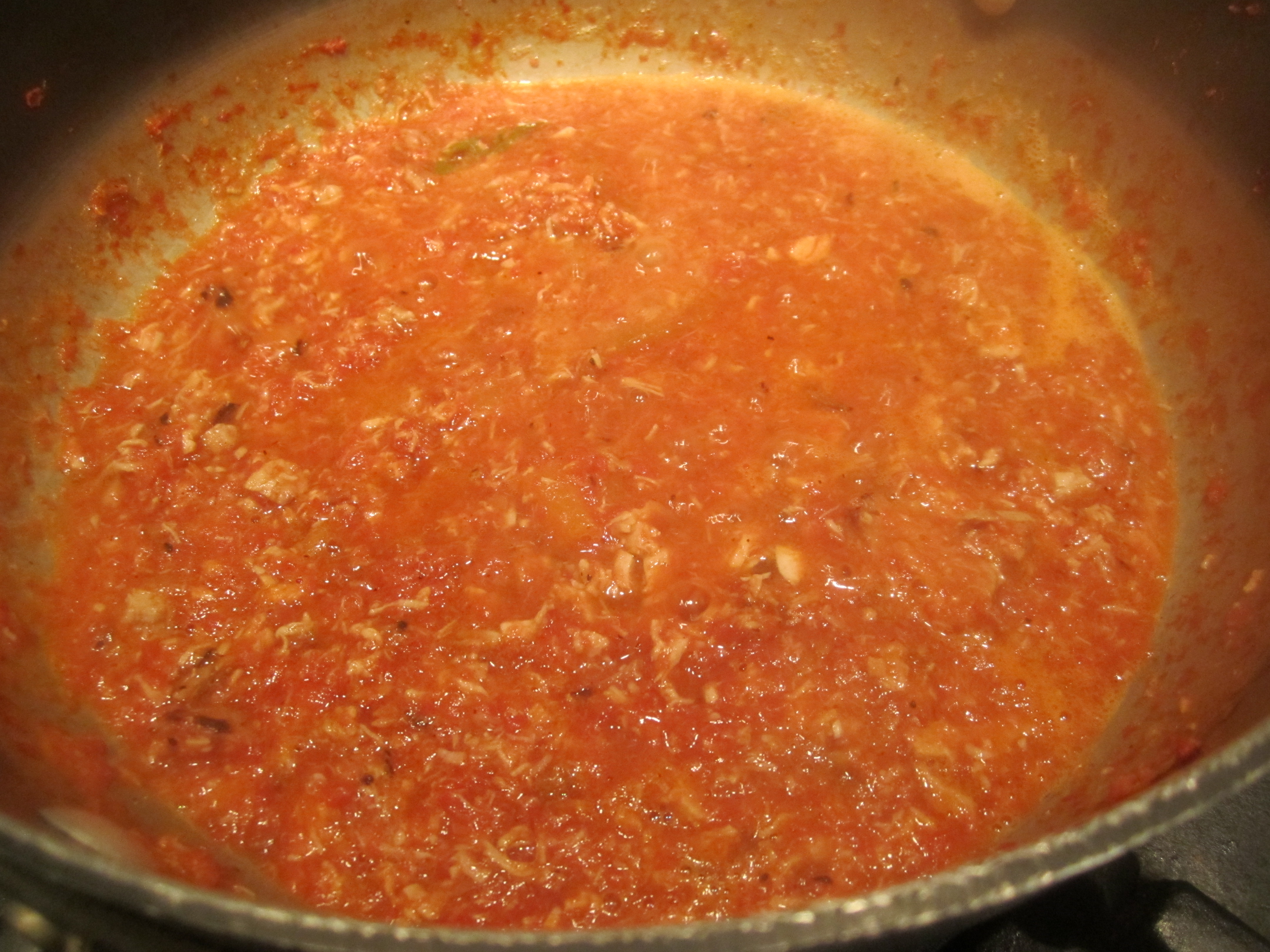
This is not a true long-simmered pork ragu, which would require raw ground pork and 2 to 3 hours of simmering.  Rather, this is fully cooked pork tenderloin that has been coarsely ground in the food processor and briefly simmered in great tomato sauce.   Pasta is cooked and added to the ragu, along with a handful of frozen peas at the last minute.

You can make a quick tomato sauce by briefly sauteing a quarter of an onion in 2 tablespoons of olive oil, then adding a 28-ounce can of whole peeled tomatoes that you’ve squished by hand or pulsed quickly in the food processor.  Add salt, pepper, a couple of basil leaves (if you have them) and simmer for 15 minutes.  This can be frozen in small batches and used right from the freezer.

The important thing to know about simmering a lean cut of meat in a moist medium  is to keep the heat on low and simmer very gently for only a short while–or else the meat will become tough–it’s not meant to be slow-cooked.  Just heat it through and serve.  In the time it takes for the pasta water to boil and the pasta to cook, the ragu will be ready.

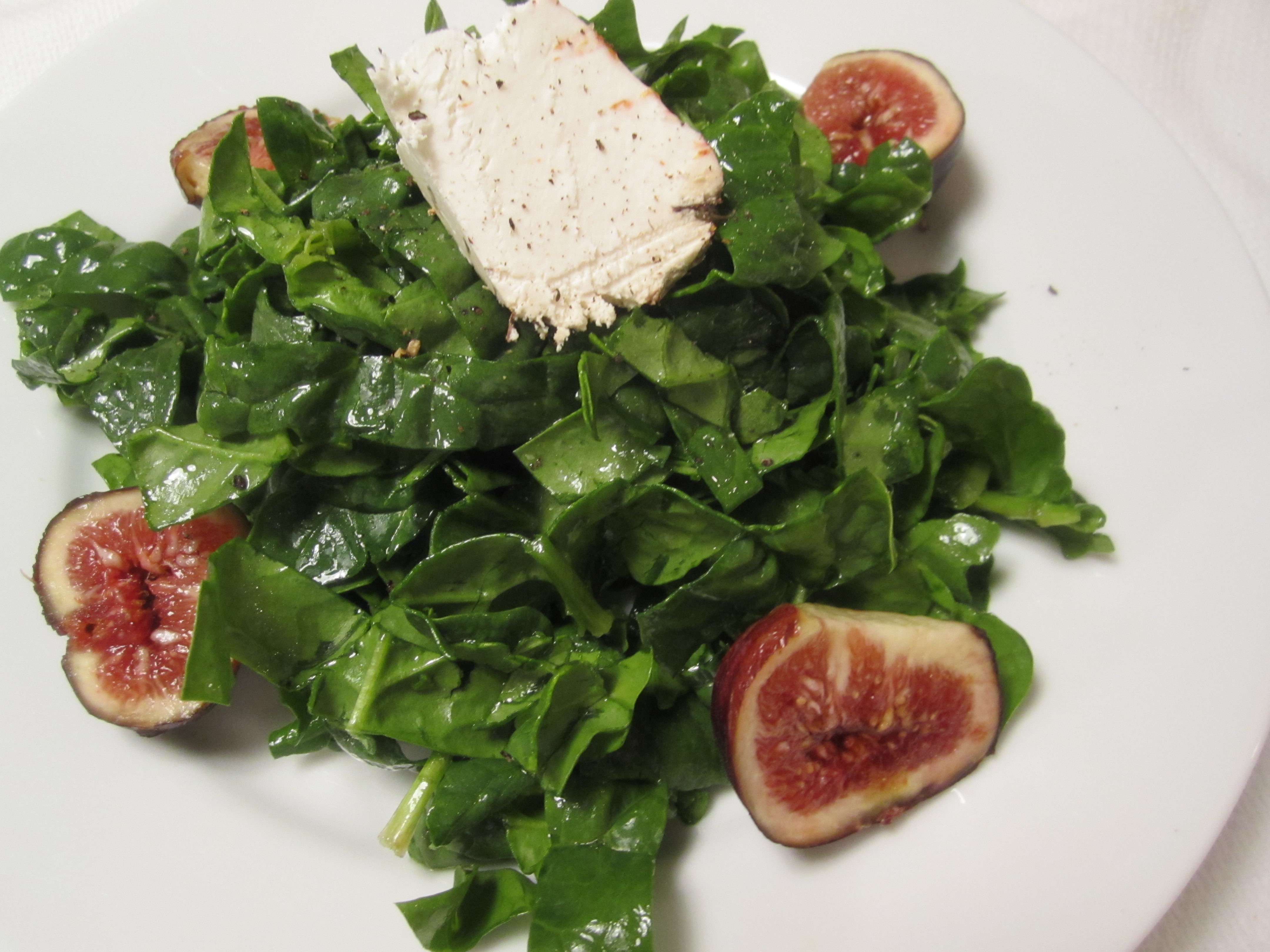
Tonight, in addition to the pasta, we had a wonderful salad–local spinach, with figs and herbed goat cheese.  It’s a rare treat to find a basket of figs which are all perfectly soft, ripe and sweet.  I spotted the figs at my market, squeezed every single one of them, and realized they’d be great.  I dressed the greens with my red wine vinegar/agave/olive oil combination., then arranged the figs around the greens (after eating a few).  They were an amazing and unexpected treat–almost as good as in Italy.

Fettucine with Pork Ragu and Peas

serves 4

1 cooked pork tenderloin–approximately 1 lb

2 c homemade tomato sauce, as described above

2 tbls butter

2 tbls extra-virgin olive oil

1 lb pasta

1 c frozen peas

plenty of grated parmigiano for sprinkling at the table

salt and pepper to taste

Dice pork tenderloin into roughly 1″ cubes.

Pulse the pork in the food processor about 5 or 6 times (a few seconds per pulse) until it is coarsely chopped.  Add to tomato sauce, along with butter and simmer on lowest heat for about 10 minutes, while the pasta cooks.

After 10  minutes, the ragu should be nicely amalgamated and the pasta ready.

When pasta is just about cooked, add peas to pasta pot and cook for about 30 seconds longer.  Drain and add pasta and peas to sauce, along with about a half-cup of pasta cooking liquid.  Drizzle on the olive oil, stir and toss for about a minute.

Serve with lots of grated cheese on top.

Posted in Pasta | Leave a comment

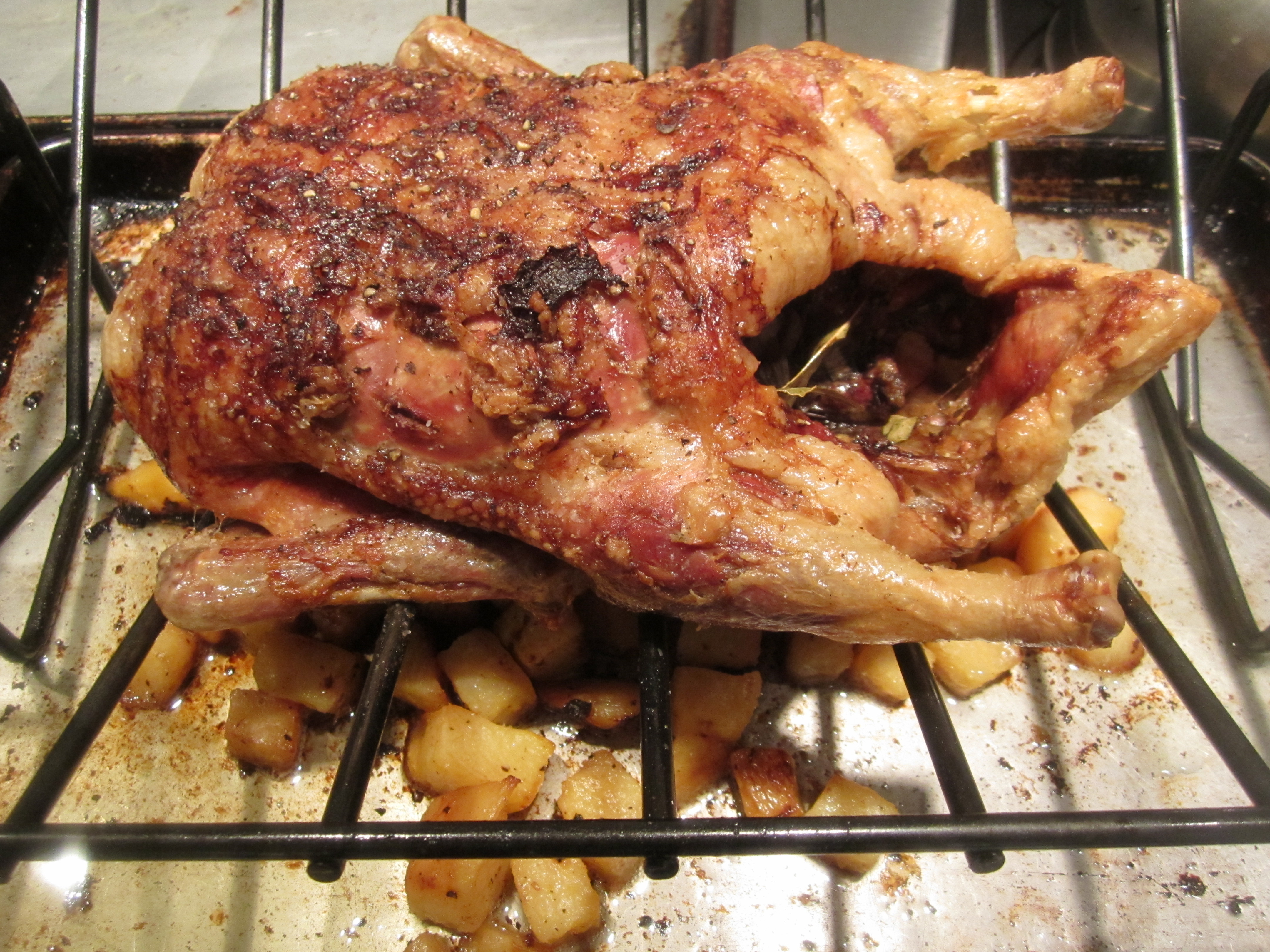
Slow-Roasted Duck with Glazed Turnips

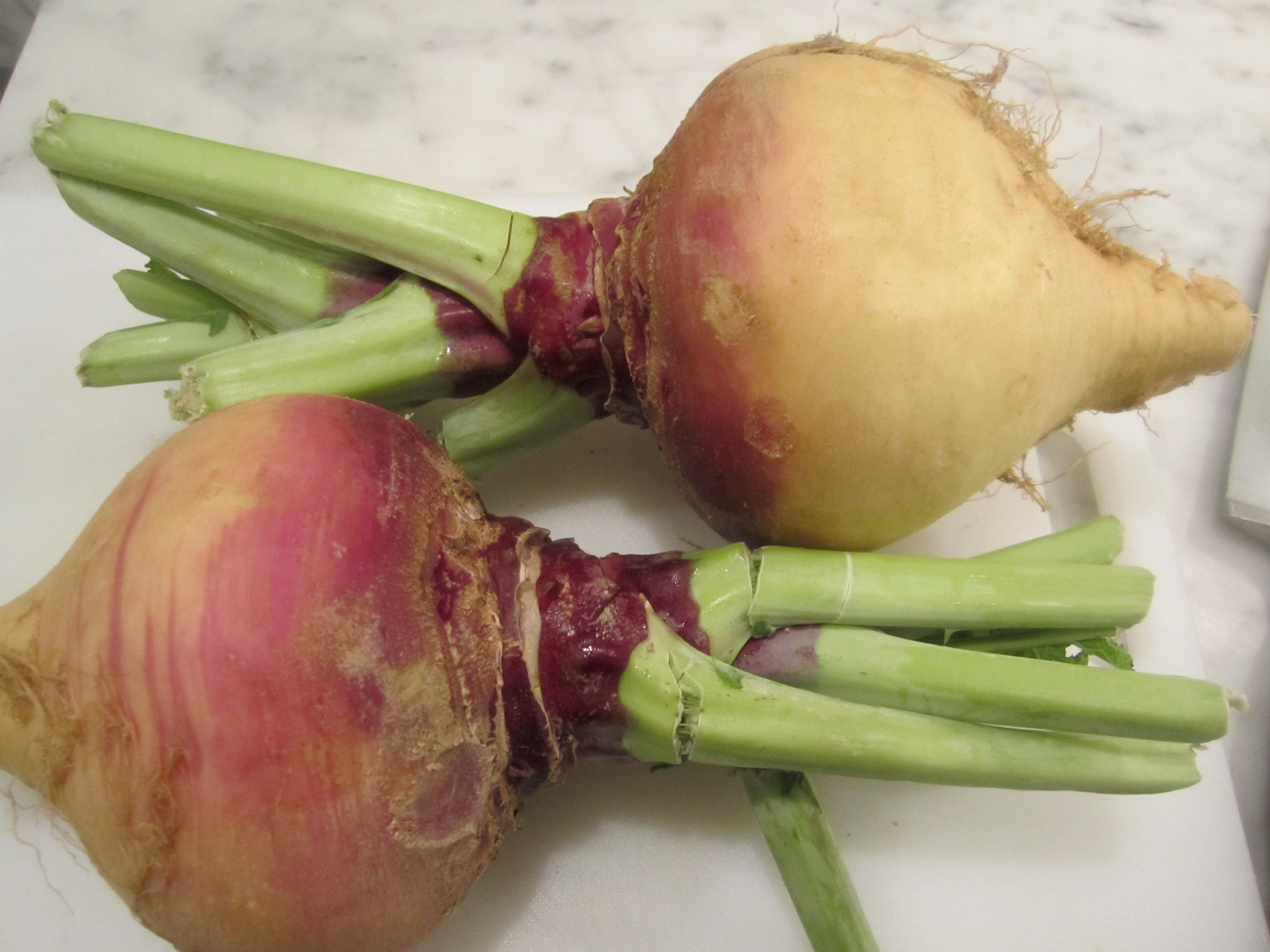
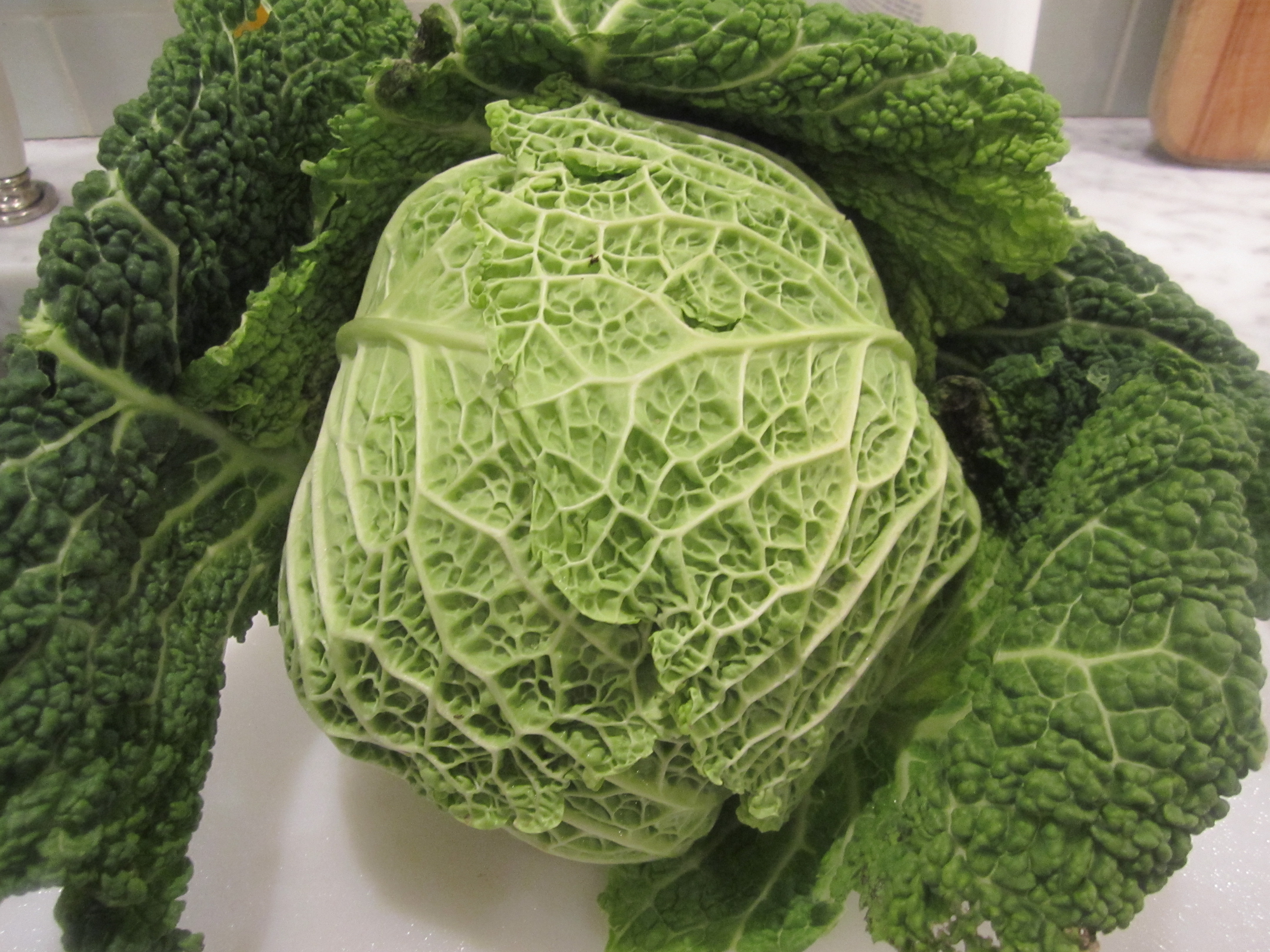
I was driving past a farm stand that I don’t usually frequent, and I could see the beautiful plump turnips and deep green heads of savoy cabbage all the way from the road.
When I pulled in, I noticed that they sold freshly killed local ducks.  Here was the perfect weekend dinner.

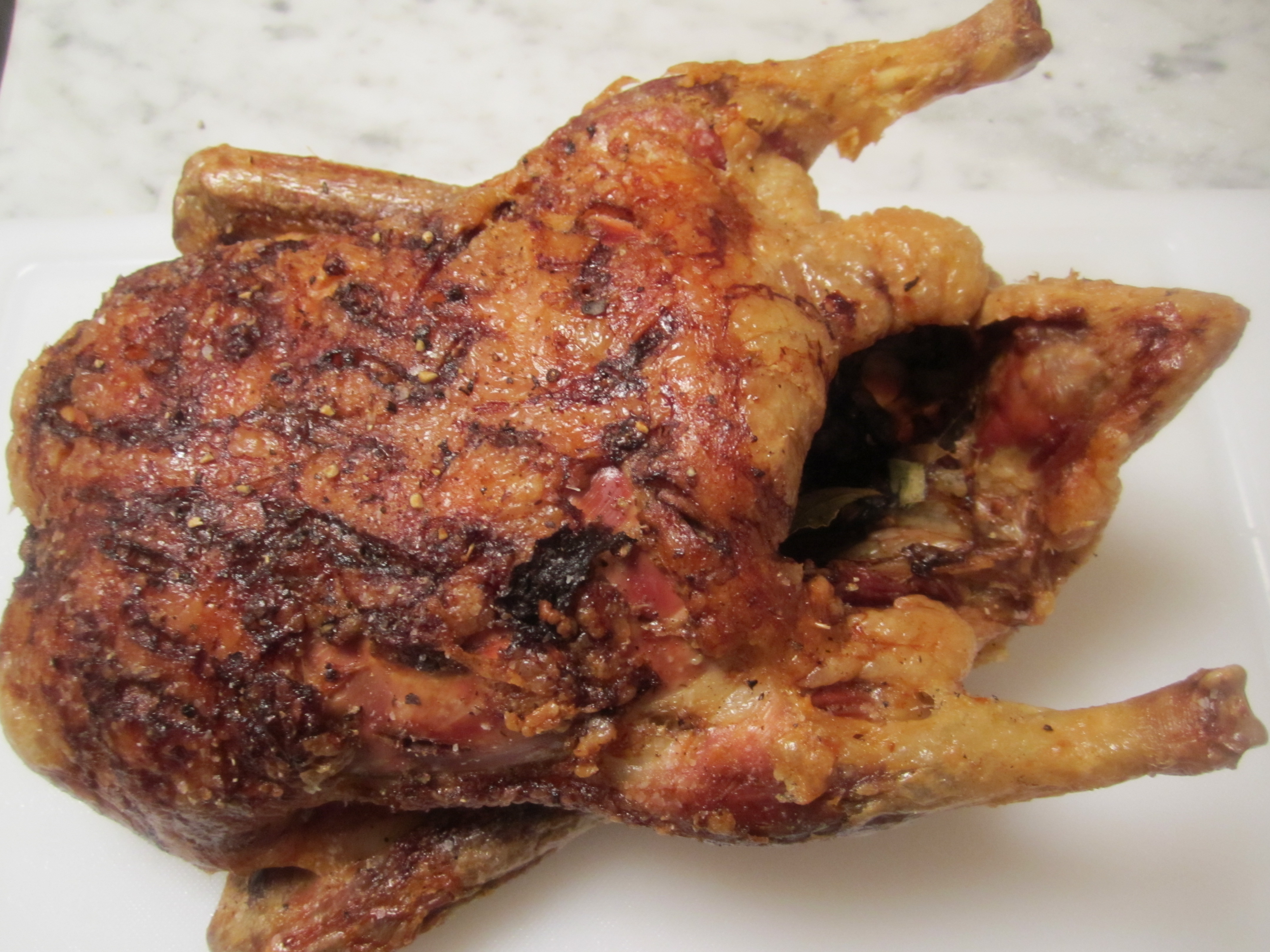
Duck is always a time-consuming preparation–in one way or another. Like everyone else who loves duck, I’m always on the lookout for recipes that promise a crispy skin. I’ve slow-cooked duck in the past by roasting it covered for a few hours, then uncovered for an hour.  It produced meat that was falling off the bone, but not crispy skin.

I remembered hearing about a slow-roast duck recipe from my friend Kathleen, whose cooking sensibilities I trust implicitly.  She was referring to a recipe she had seen in Saveur magazine, and was kind enough to forward me the link, which I’ll share with you here.

http://www.saveur.com/article.jsp?ID=15417&typeID=120

This is my adaptation of the recipe in the article.   I followed the technique exactly but I made my own substitutions and additions.  I substituted shallot and bay leaf for garlic and thyme (not that there’s anything wrong with garlic and thyme), but I love the perfume of bay leaves with poultry and I prefer shallots to garlic in many preparations (more delicate and sweeter).

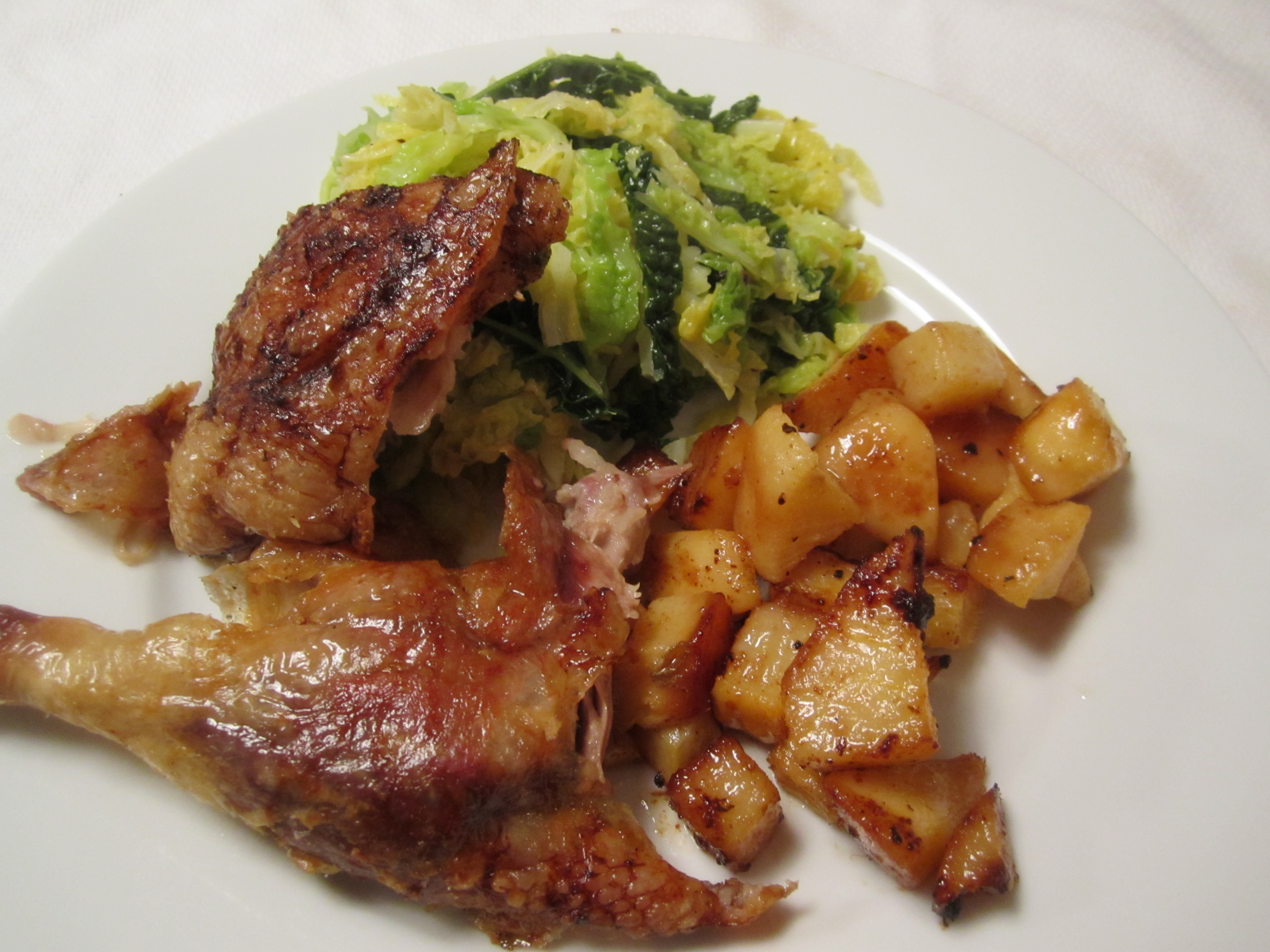
The addition of par-boiled turnips to the roasting pan under the duck for the last hour of cooking was purely mine–and delicious!  I coated the turnips with a drizzle of agave, salt and pepper, and they caramelized in the remaining duck fat for the last hour of roasting–sweet, earthy and tender.

The beauty of duck is that it renders a good deal of wonderfully flavorful fat, in which to cook a variety of things.  Today, after I blanched my savoy cabbage, I sauteed it in duck fat.  There aren’t many things I love as much as extra-virgin olive oil, but duck fat comes in a close second!

Slow-Roasted Duck with Glazed Turnips

serves 2

1 duckling (‘Pekin” variety)

2 tsps salt

1/2 tsp black pepper

2 bay leaves

1 medium shallot, finely diced

1 large turnip (about 6″ in diameter) or 4 – 6  small ones

2 tsps agave nectar

Preheat oven to 300 degrees.

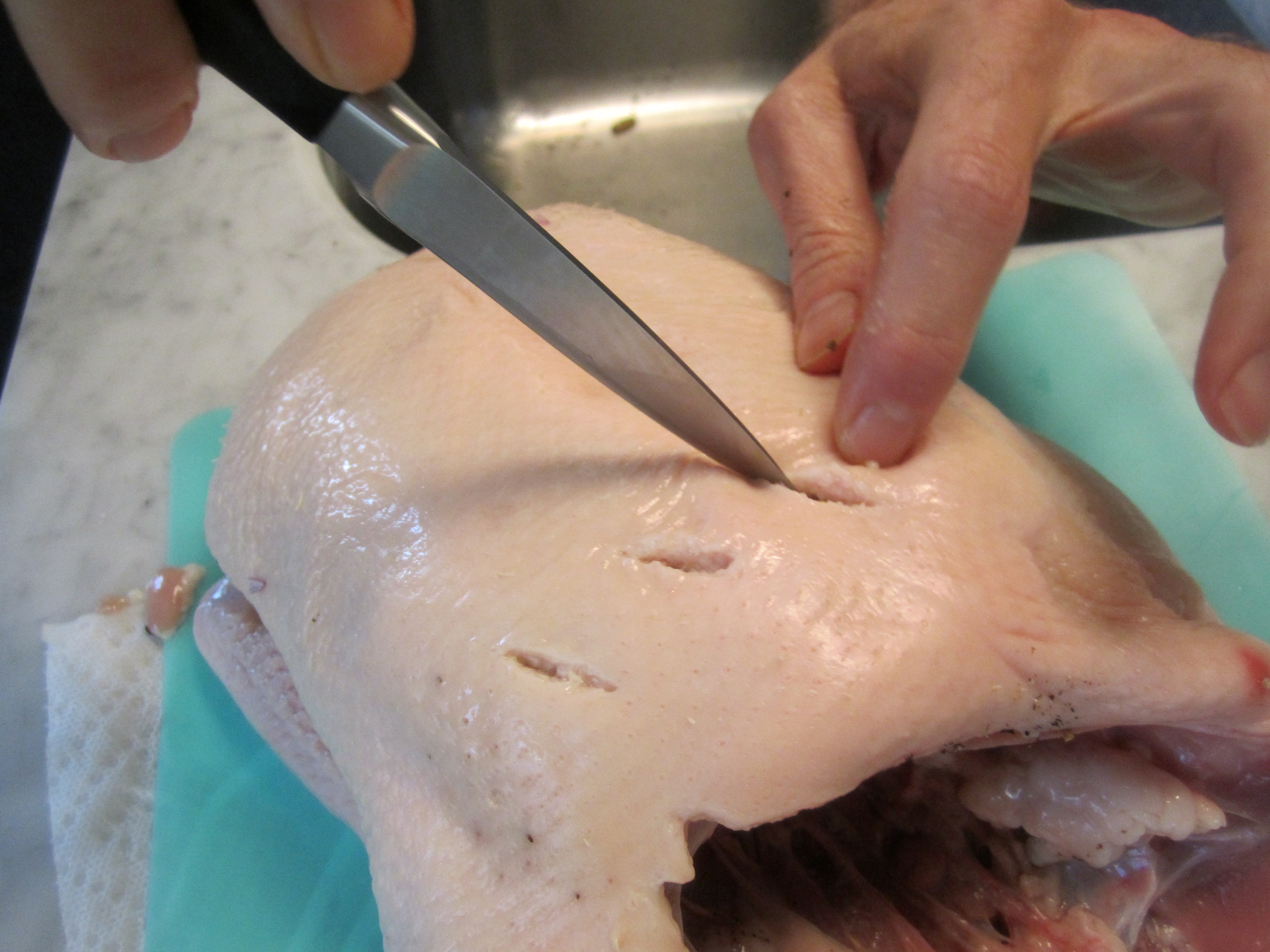
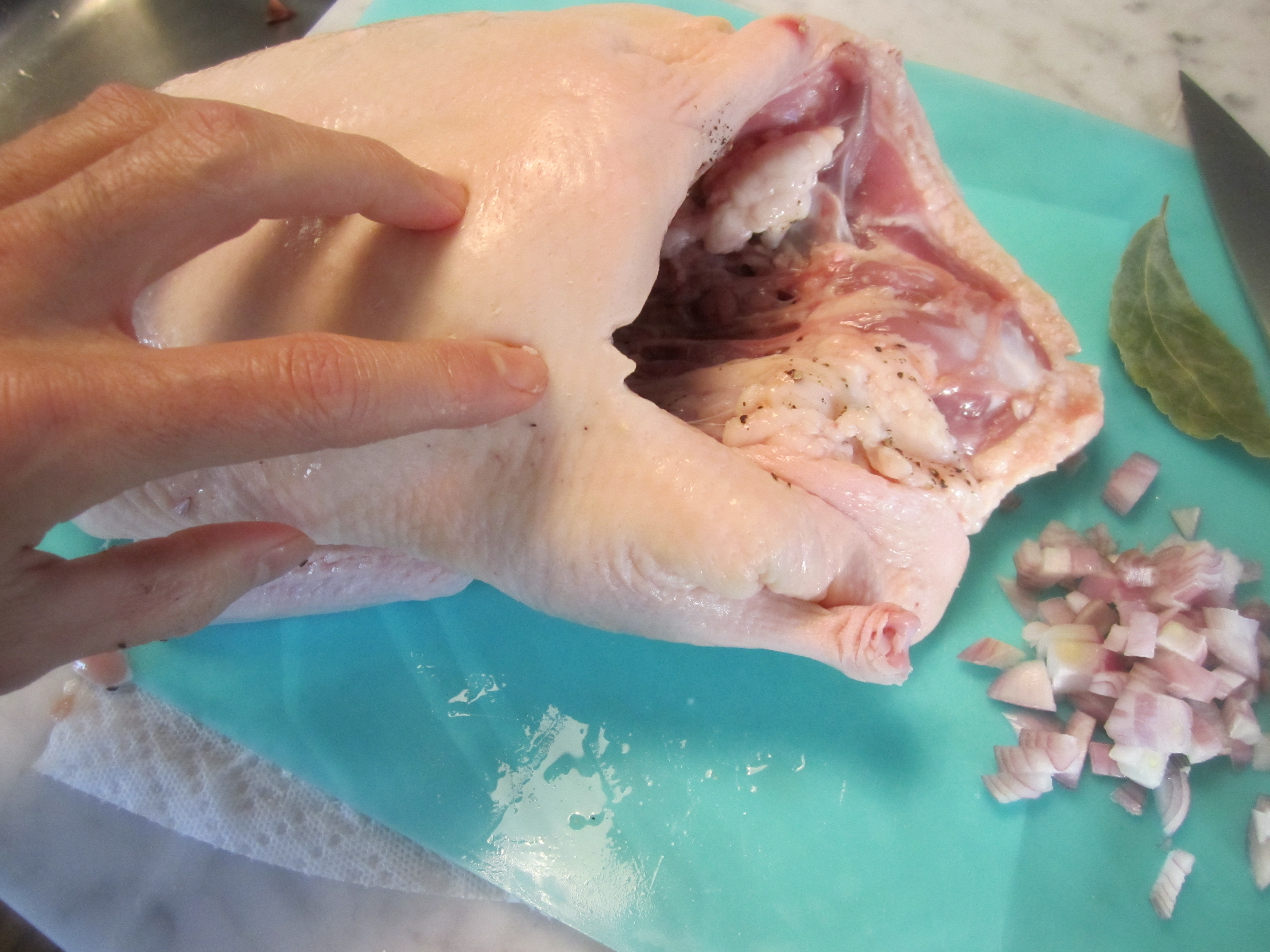
With a paring knife, make little slits all over the surface of the duck, being careful not to go into the flesh–simply score the layer of skin on the outside.

Sprinkle a half-teaspoon of salt and the black pepper inside the cavity. Add the bay leaves and chopped shallot to the cavity.

Place on rack in roasting pan and begin roasting breast side up for 1 hour.  Drain fat and make additional slits in the skin, then turn the duck over breast side down.  Continue roasting for an additional 3 hours, lightly scoring the skin and turning the duck over every hour. After scoring and turning duck, drain any accumulated fat from the pan and set aside.

While the duck is roasting, peel turnips and cut into 1″ cubes.  Drop into boiling salted water and cook until tender–about 20 to 30 minutes.  Remove, drain, and set aside.

After roasting the duck for 4 hours, increase oven temp to 350 degrees.  Salt and pepper the outside of the duck liberally.  Leave the last round of accumulated fat in the roasting pan and add turnips.

Drizzle with agave, salt and pepper and stir to coat the turnips with the fat and agave. Roast the duck at 350 for 1 hour, at which time the turnips will be nicely glazed as well.

After all those hours of roasting, the aromas in your house will be intoxicating and you’ll be counting the minutes!

Posted in Poultry | Leave a comment

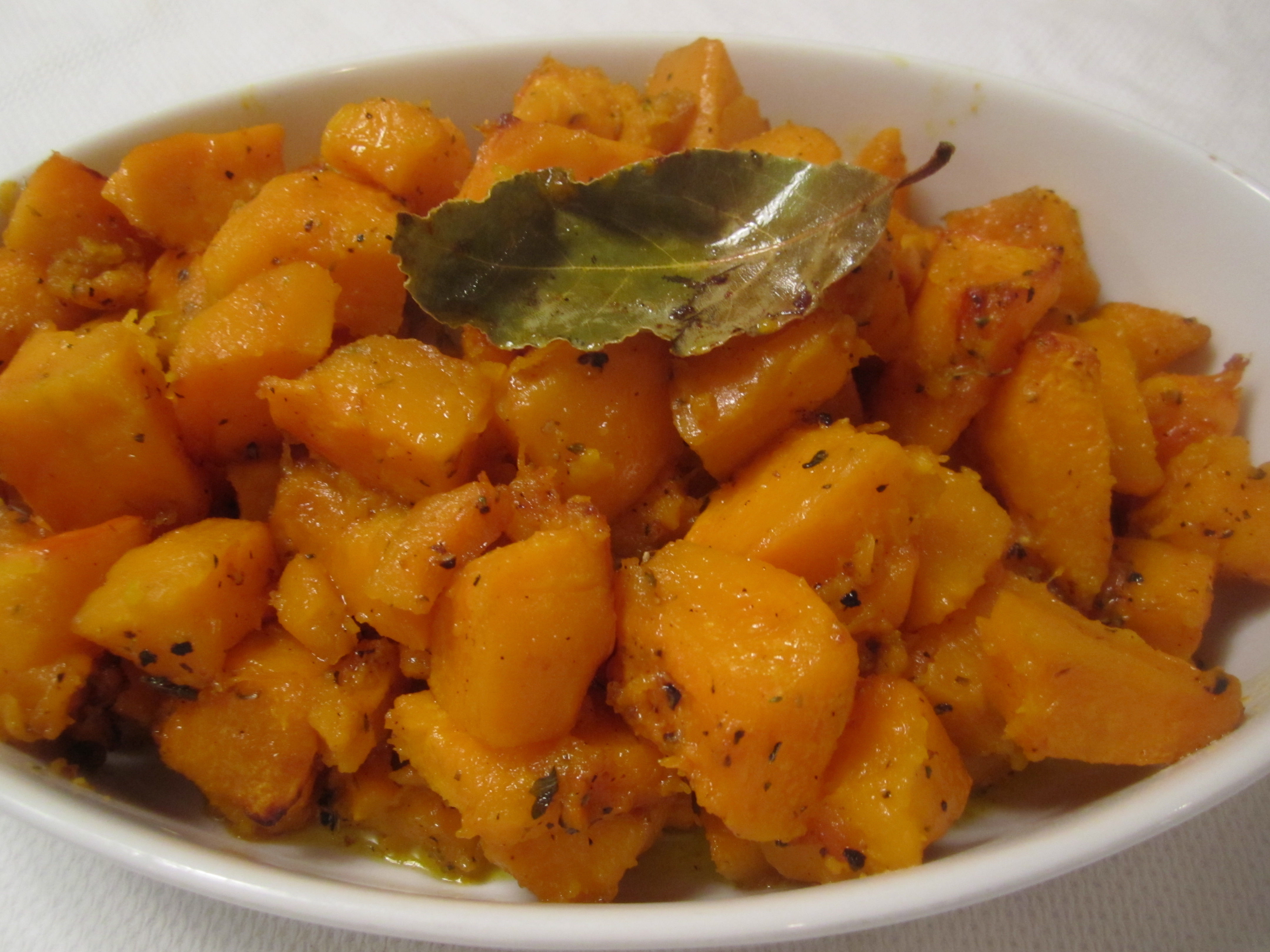
Kabocha Squash, Calabrese Style

In Italy, they refer to all manner of winter squash and pumpkins generically as “zucca“. It’s difficult to pin down which variety they’re referring to when they name it in a recipe.

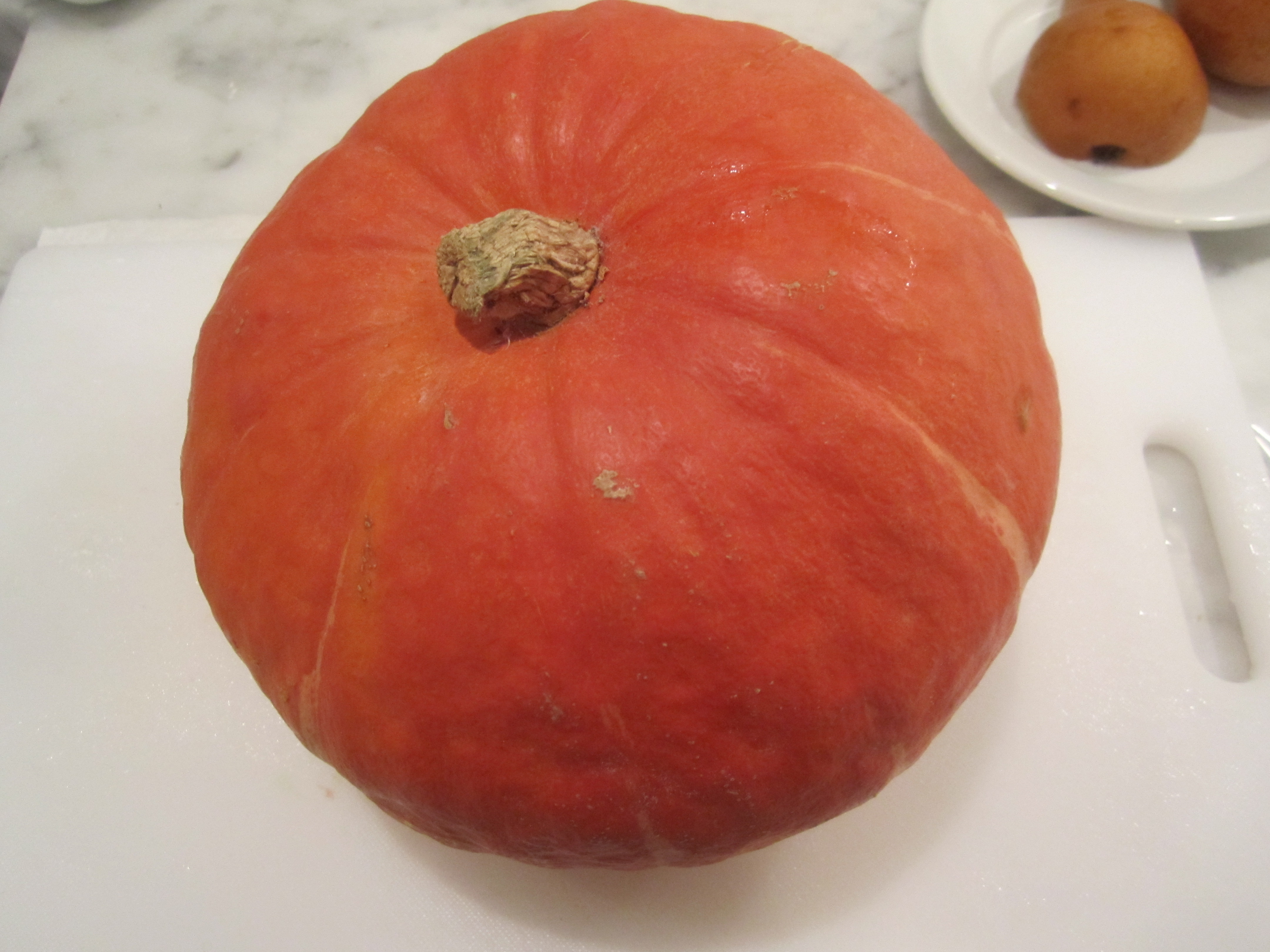
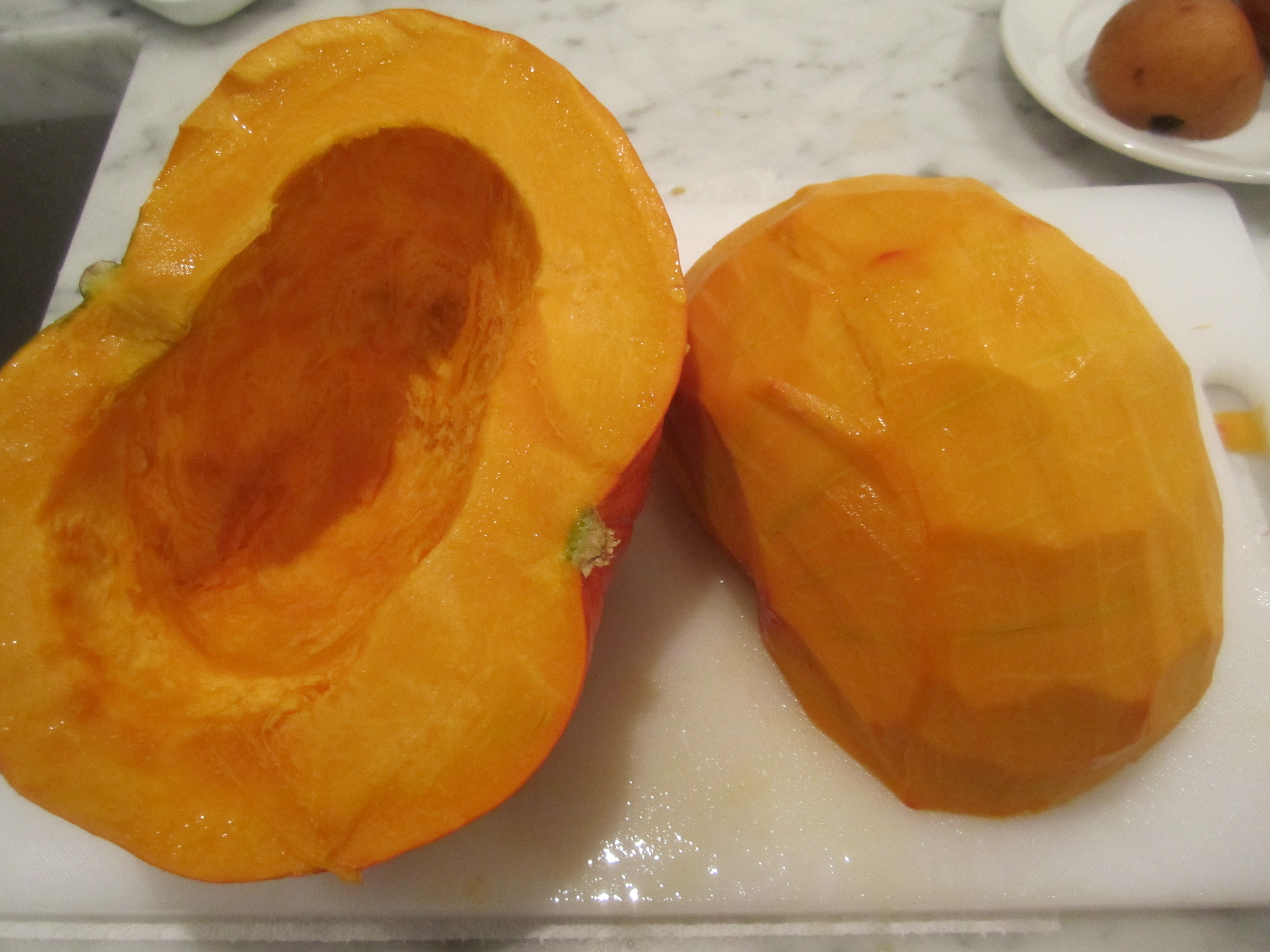
Usually, I use butternut squash, but today, I decided on kabocha, a variety of winter squash that is round, ribbed, and has either dark green or orange skin.  The orange variety is also known as “sunshine squash”.  It’s even sweeter and more delicate than butternut (believe it or not).

Initially, I set out to buy a conventional pumpkin, to make in the style of my mother’s hometown–with oregano and bay leaves.  You’ve seen this combination in one of my fish posts–pesce in umido.  It’s an equally alluring and exotic combination with winter squash.

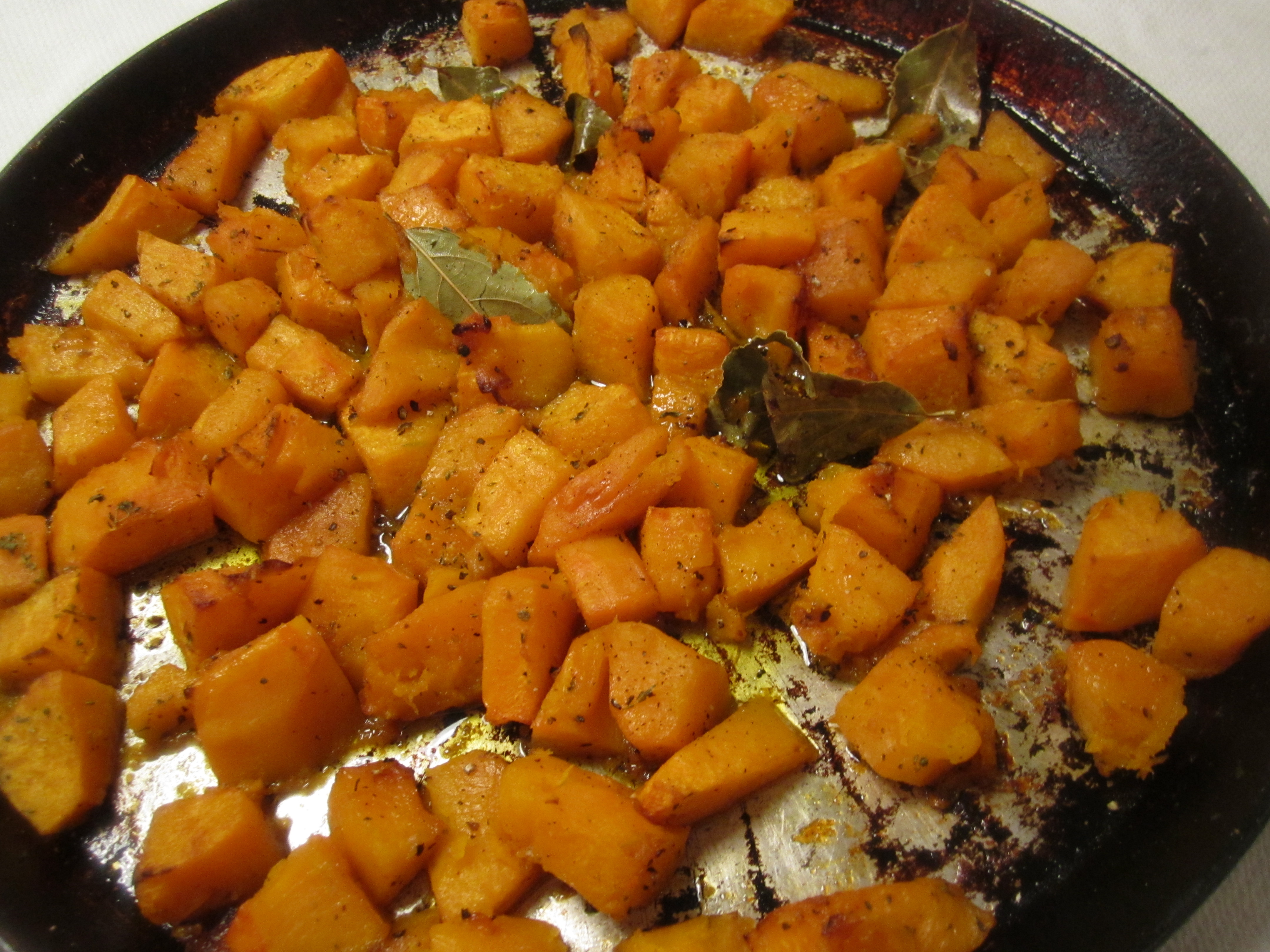
The traditional way to make this dish is to peel and slice the pumpkin, and saute it in a skillet.  I chose, instead, to roast it in the oven, which resulted in soft, sweet cubes of squash, scented with the herbs, that required almost no attention.  I would recommend it highly.

Along with the squash, we had dry-rubbed pork tenderloin and a salad of just-picked russian kale with sweet, local ripe bosc pears, dressed with red wine vinegar, agave and a touch of olive oil–the perfect fall meal.

Kabocha Squash, Calabrese Style

serves 4 – 6 as a side dish

1 medium (about 10″ in diameter) kabocha squash

1/2 tsp dried oregano

4 bay leaves

1/4 c olive oil

salt and black pepper to taste

Preheat oven to 375 degrees.

To peel squash, cut off top and bottom to make a steady flat surface on which to slice off the peel.  Run a large knife (it’s tough) underneath the peel, attempting to remove as little meat as possible under the peel–it takes a very firm grip on the knife.  With a spoon, scoop out seeds and discard or set aside (they make a wonderful snack roasted on their own, but not tonight–no time).

Cut into wedges and then into 1″ chunks.

Place on roasting pan with remaining ingredients.  Try to tuck in the bay leaves so that they are underneath the squash cubes, flavoring the oil as the dish roasts.

Roast for about an hour, or until tender.  Turn and toss midway in the roasting process to evenly cook.

Taste for salt and pepper prior to serving.

Posted in Vegetables | Leave a comment

Salad of Spinach, Kabocha and Goat Cheese

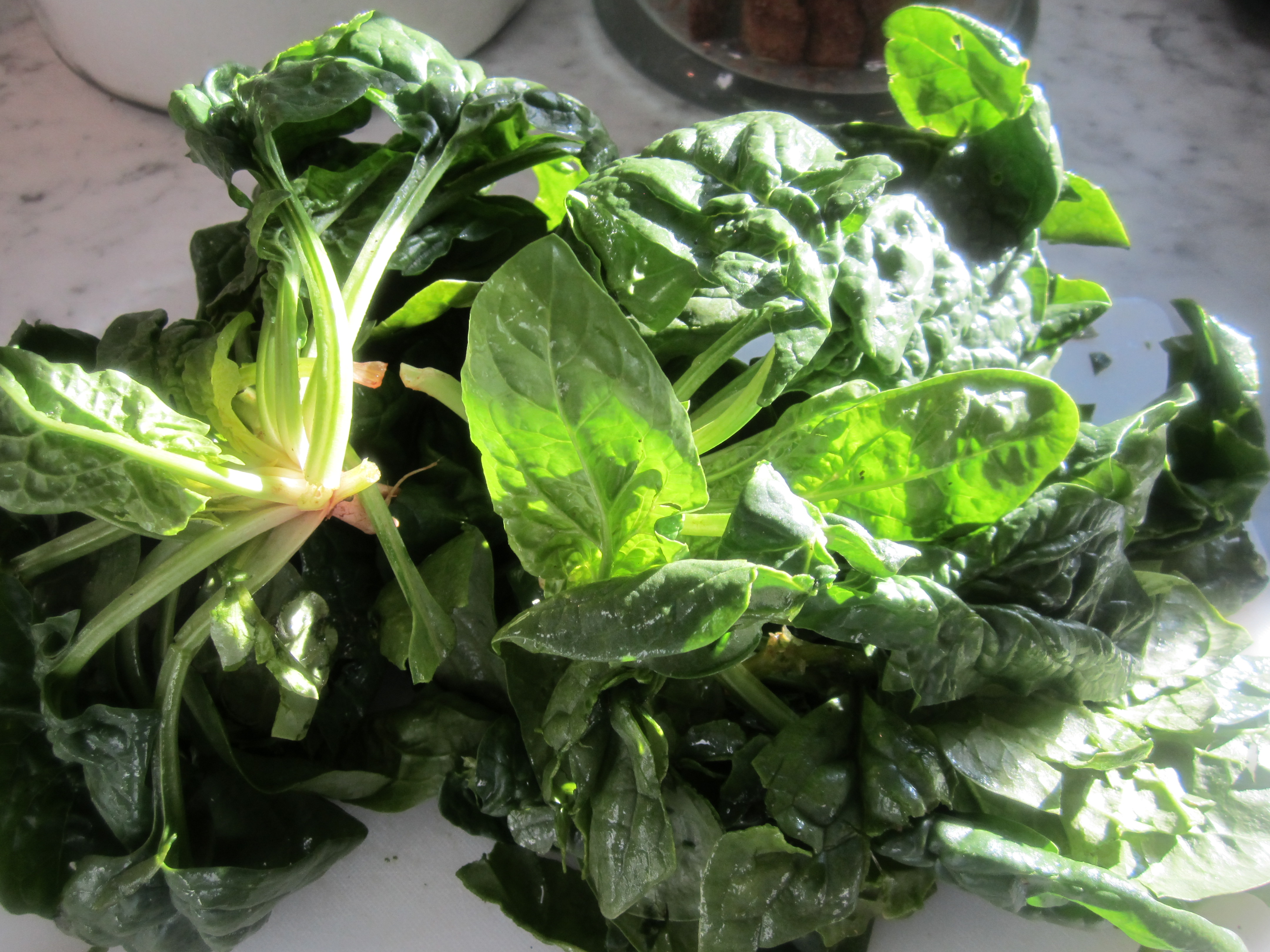
Spinach is an amazingly resilient plant.  It grows (and thrives) even in snowfall.  Every year, I’m amazed to see it at our local farm stands, even in December.  Here on the east end of Long Island, the last farm stand closes on December 31st, so I can count on local spinach all the way until New Years’.  It is always such a treat to be able to have local greens on my table for Christmas and New Years’.  The local spinach is sturdy, yet delicate enough to eat raw in a salad.

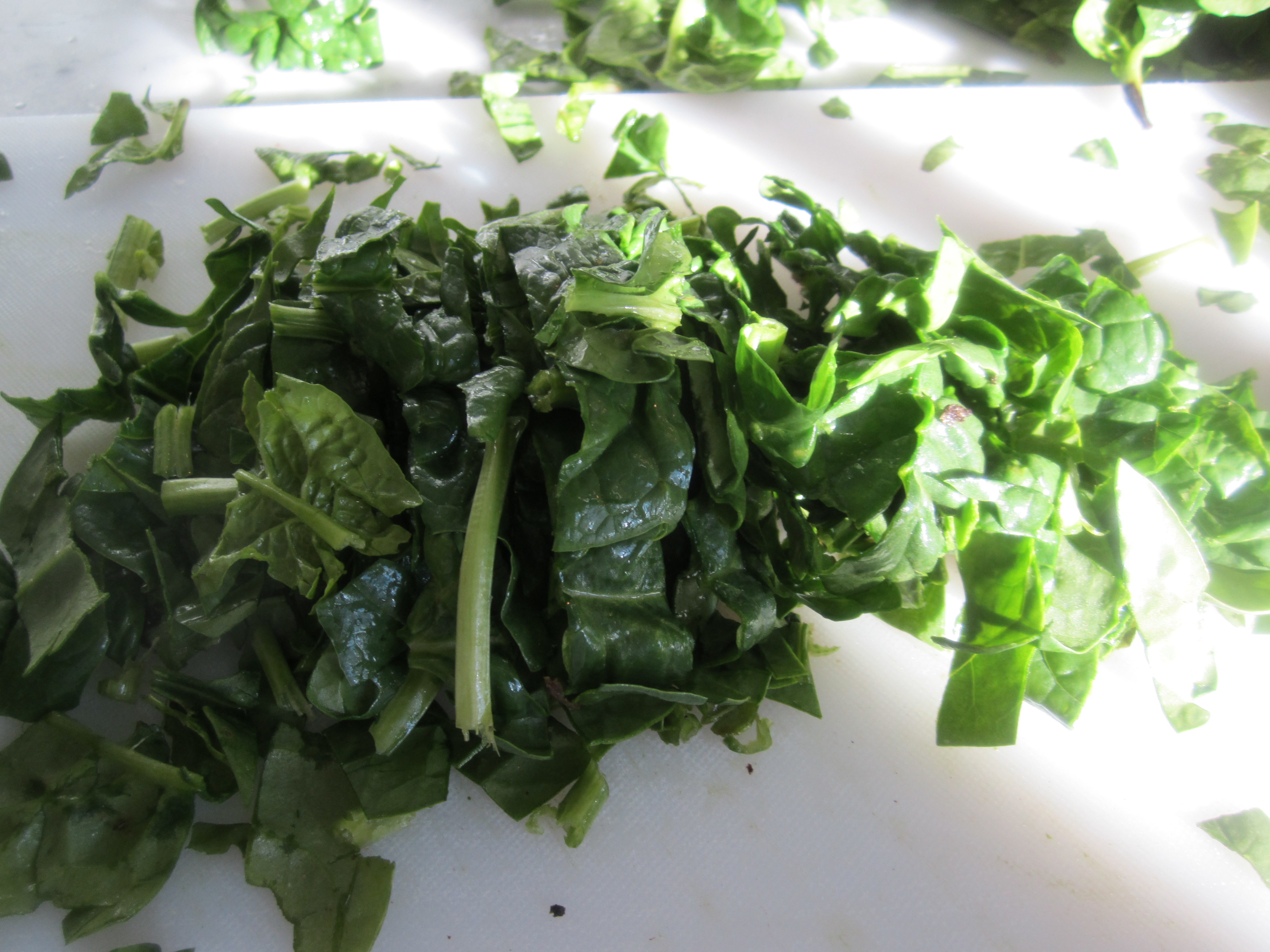
Many people feel the need to break off the stems and use only the leaves in salad.  This is not only unnecessary, but wrong–the stems are even more delicate in flavor than the leaves.  I like to chop  the leaves (stems and all) crosswise into ribbons and use the whole thing as a hearty salad.
The idea of using winter squash in a salad was one I learned from Mario at Po restaurant.  We made a salad this time of year that consisted of cubes of cooked butternut squash, roasted peppers and goat cheese.  It was topped with a giant, festive caper berry.  I loved the combination, but today I wanted something even simpler.

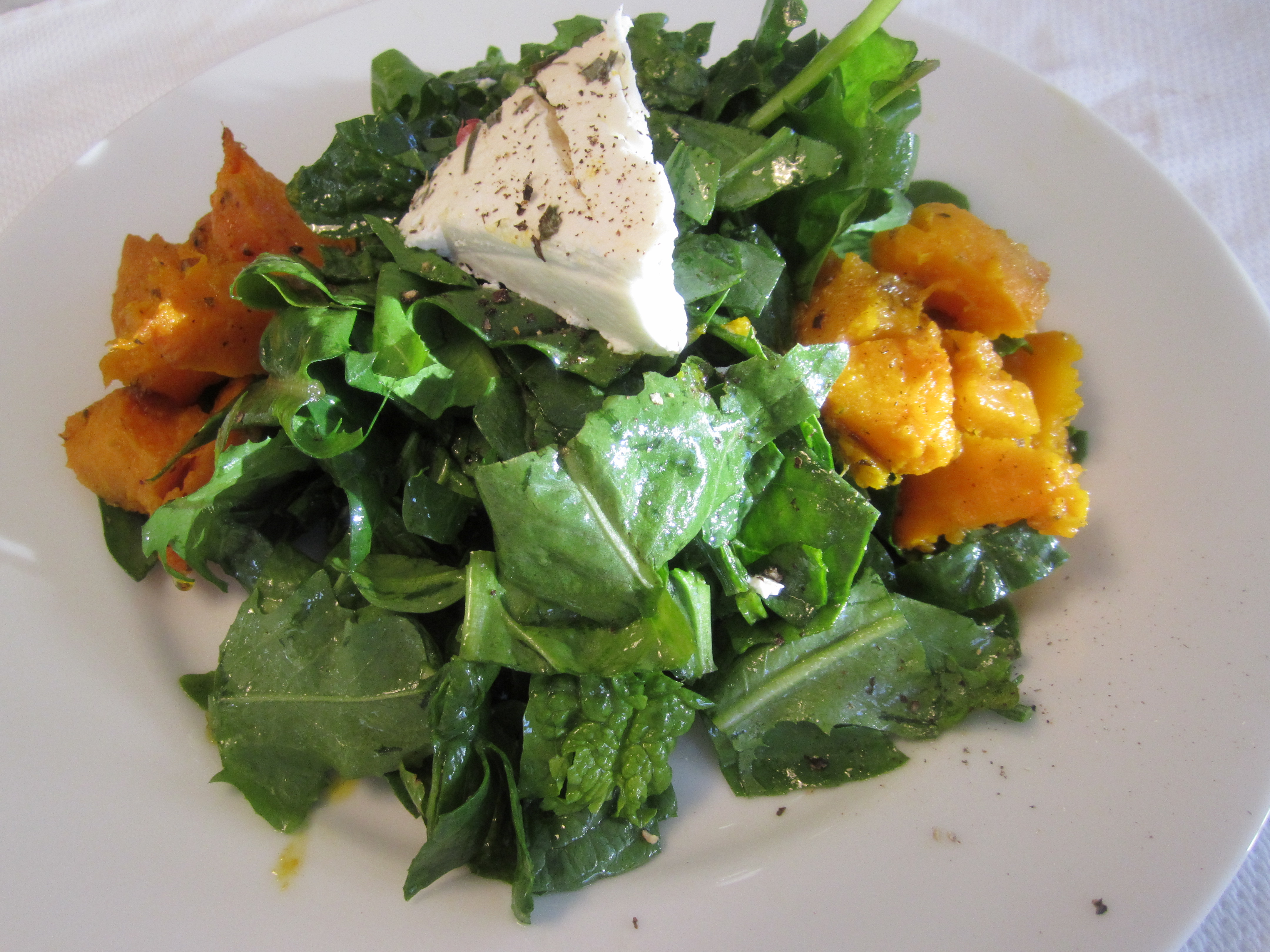
Spinach, dressed with my agave-laced red wine vinegar and olive oil , surrounded by sweet cubes of squash and topped with a slab of creamy, artisanal herbed goat cheese was perfect for a bright, light brunch.

 Salad of Spinach, Kabocha and Goat Cheese

makes 4 large salads

1 lb fresh spinach

2 cups cooked kabocha squash cubes (see kabocha squash, calabrese style)

4 oz. herbed goat cheese

1 tsp red wine vinegar

1 tsp agave

1 tbl extra-virgin olive oil

salt and pepper to taste

Wash and dry spinach well and remove any root ends from the stems. Cut stems into 1/2″ ribbons.

In a large mixing bowl, sprinkle spinach with vinegar, agave, oil, salt and pepper.  Toss and taste for salt.  Arrange on large plates with squash and top with goat cheese and additional back pepper.

Posted in Salads | Leave a comment

Baked Pasta with Cauliflower

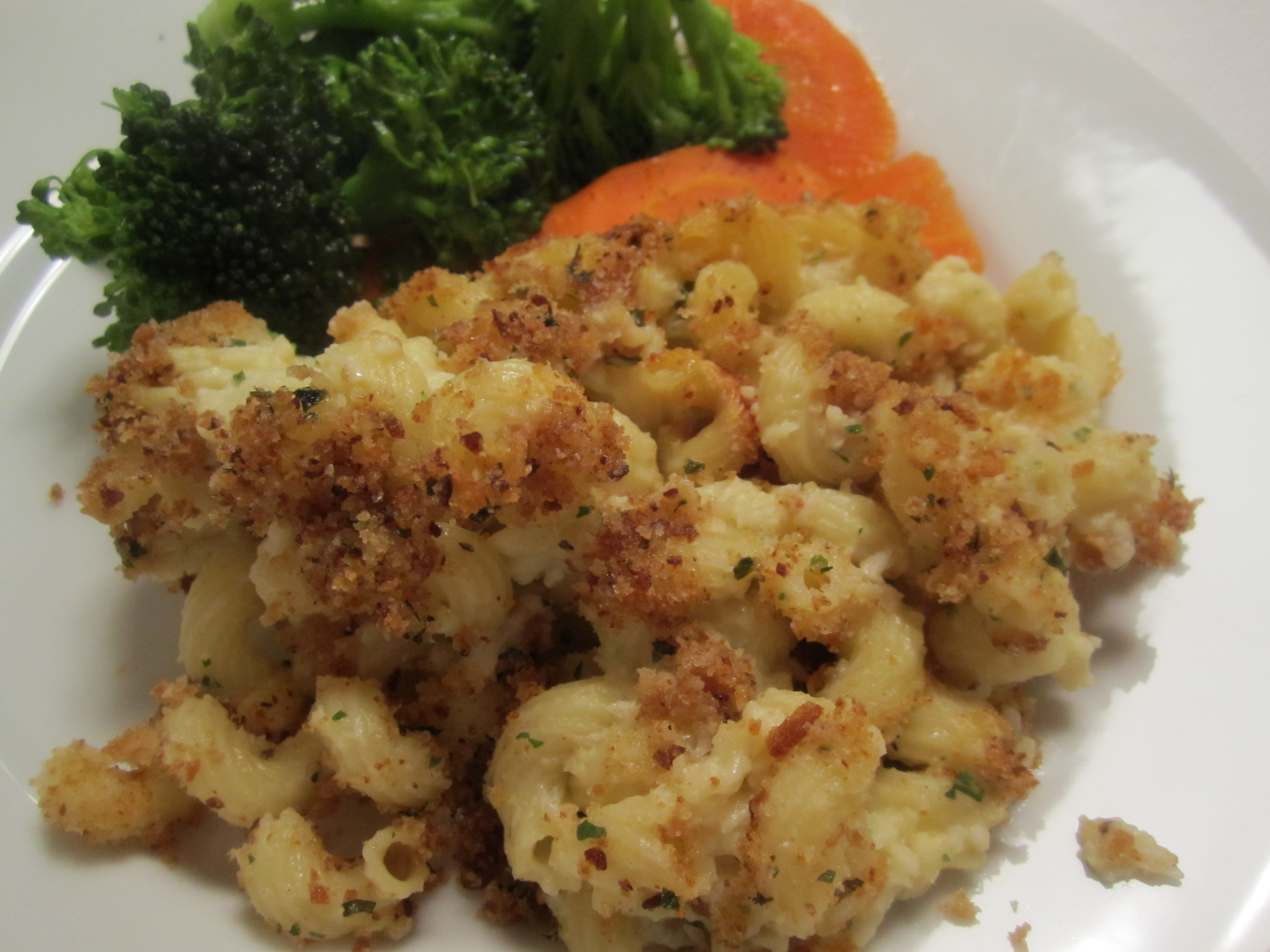
Nothing pleases me more than recycling leftovers creatively, and I must say, this was a brilliant exercise in recycling.   I had a good amount of the batter from last night’s cauliflower fritters left, and rather than freeze it (or fry more fritters),  I started contemplating its ingredients and how they might lend themselves to an entirely new incarnation.

Those ingredients consisted mainly of cauliflower, flour, egg, milk and lots of pecorino romano cheese–in a word–a great sauce for baked pasta. The mixture needed thinning, however, so I added some chicken broth as well as some half and half.  It was now thin enough to be a sauce.

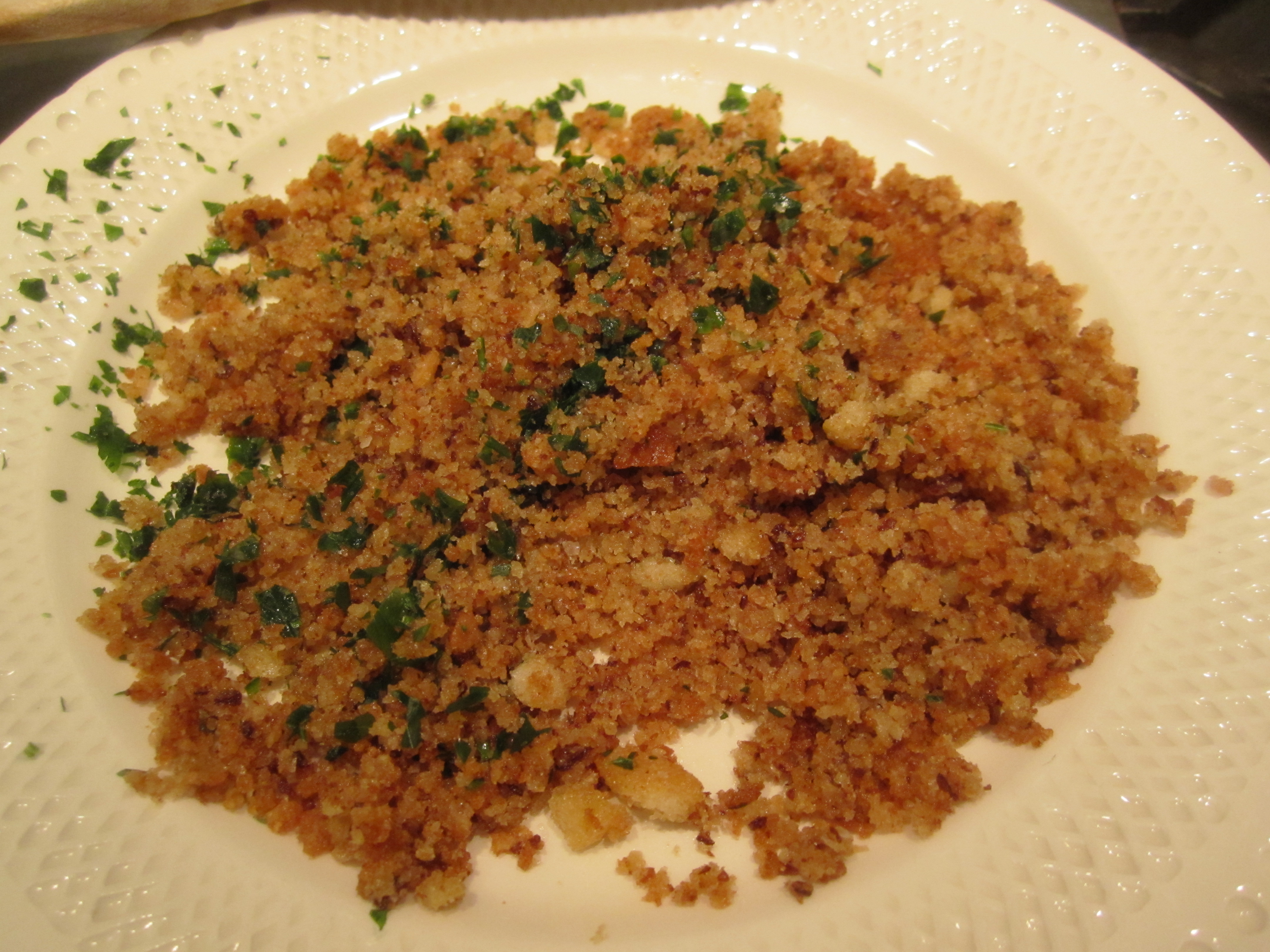
Add to that some toasted breadcrumb topping, which I made out of the ever-present pile of petrified bread scraps which sit in a bowl on my countertop.  I ground the bread in the food processor and toasted the crumbs in some olive oil in a skillet, then added some fresh chopped parsley to brighten it.  Finding ways to use these bread scraps also makes me extremely happy.

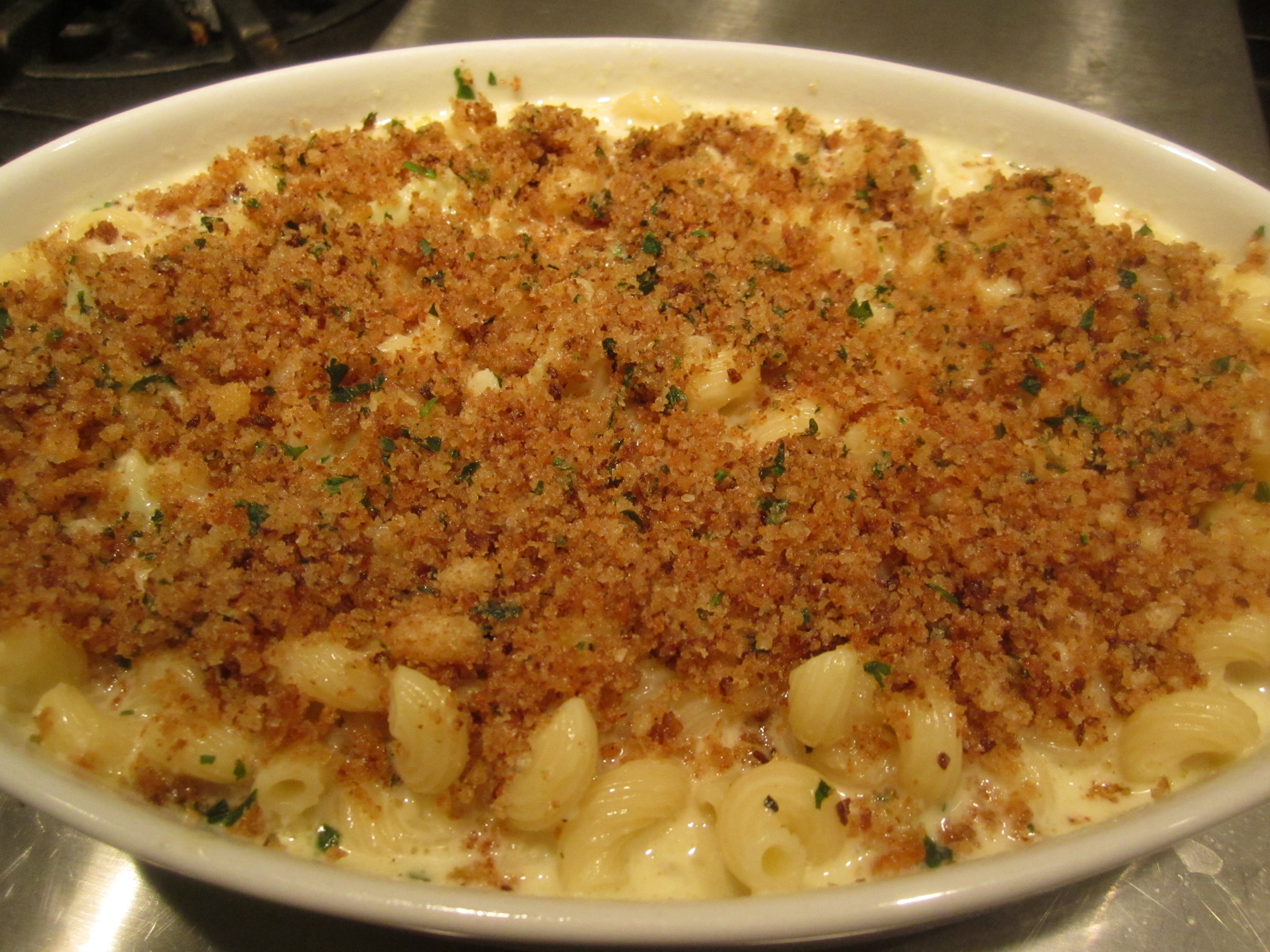
I couldn’t have created a better mac and cheese if I sought to make it this way in the first instance.   For the fritter batter recipe, refer to mom’s cauliflower fritters, and by all means make both dishes at once!

The perfect accompaniment to this rich dish was some simply boiled broccoli and carrots–all the better to soak up the cheesiness and crumbs!

Baked Pasta with Cauliflower

serves 2 generously

2 1/2 c uncooked batter from cauliflower fritters

1 c chicken broth

1/2 c milk or half and half

1/2 lb cavatappi pasta (or any short fat pasta)

1 c homemade toasted bread crumbs (see below)

2 tbls olive oil

salt and pepper to taste

Preheat oven to 375 degrees.

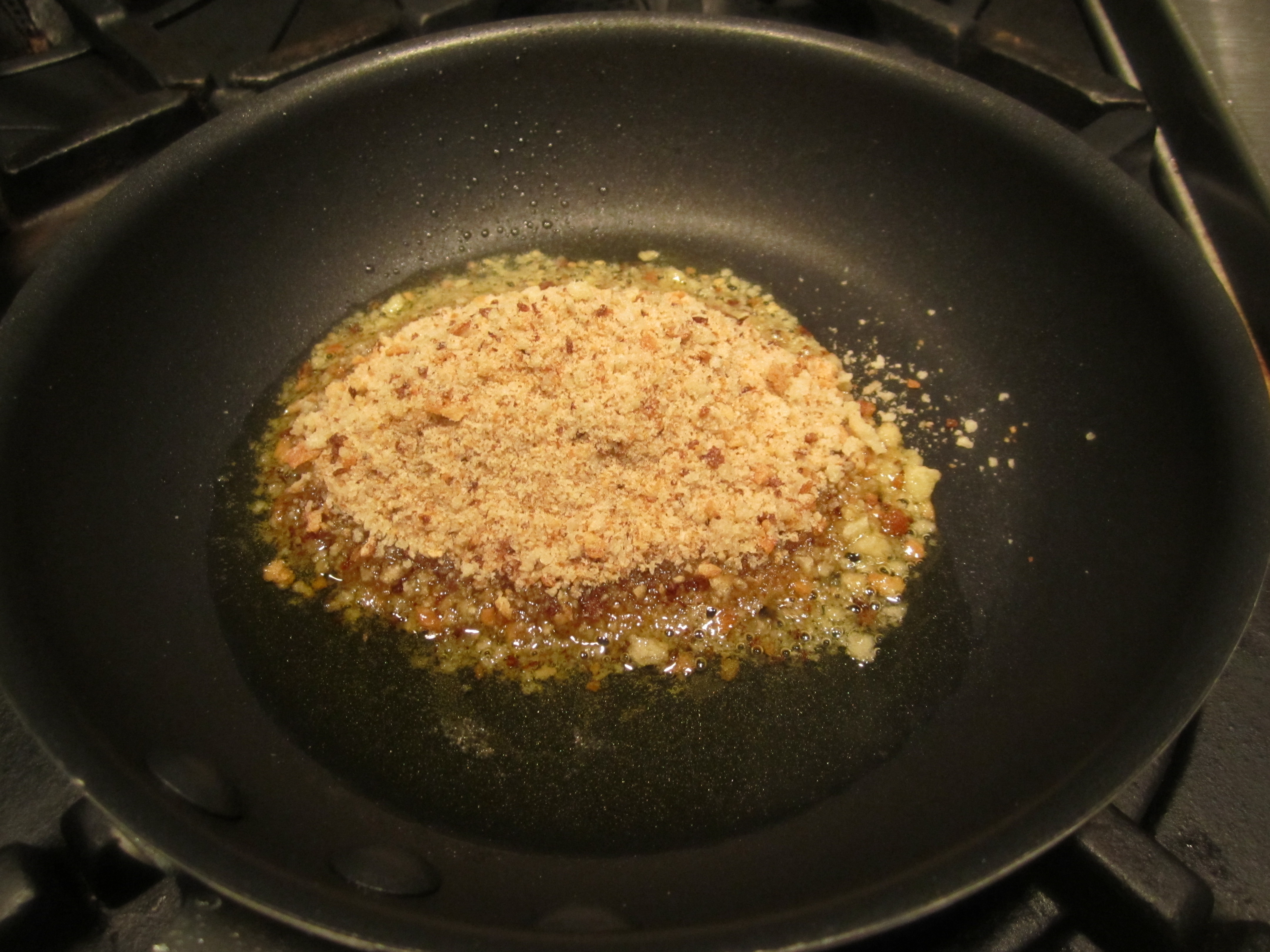
Make breadcrumbs by grinding stale bread pieces in the food processor.  Heat oil in small nonstick skillet briefly, then add breadcrumbs and saute, turning and stirring constantly on medium heat and add 1/4 teaspoon salt.

When the crumbs are golden (and not a moment longer–they scorch easily), add parsley and remove crumbs from skillet.  Taste and add salt and pepper.   Set aside.

Cook pasta until 2 minutes shy of done.  Drain and combine pasta with fritter batter. Pour into buttered baking dish and stir.

Top with crumbs and bake for about 40 minutes or until bubbly and golden.

Posted in Pasta | 1 Comment

Mom’s Cauliflower Fritters

Cauliflower is such a versatile vegetable, and this time of year, it’s local and plentiful. It’s great combined with pasta or in any other preparation where lots of cheese is involved.

The batter for these fritters may be made ahead–even a day or two. For this reason, they are a good dish to make for company, since all you have to do at the last minute is heat the skillet and fry them, like a batch of pancakes.  If you don’t like the idea of frying while you have guests, you can make the fritters in their entirety and warm them in a 275 degree oven for about ten minutes prior to serving (but I prefer to make and serve them at the last minute).

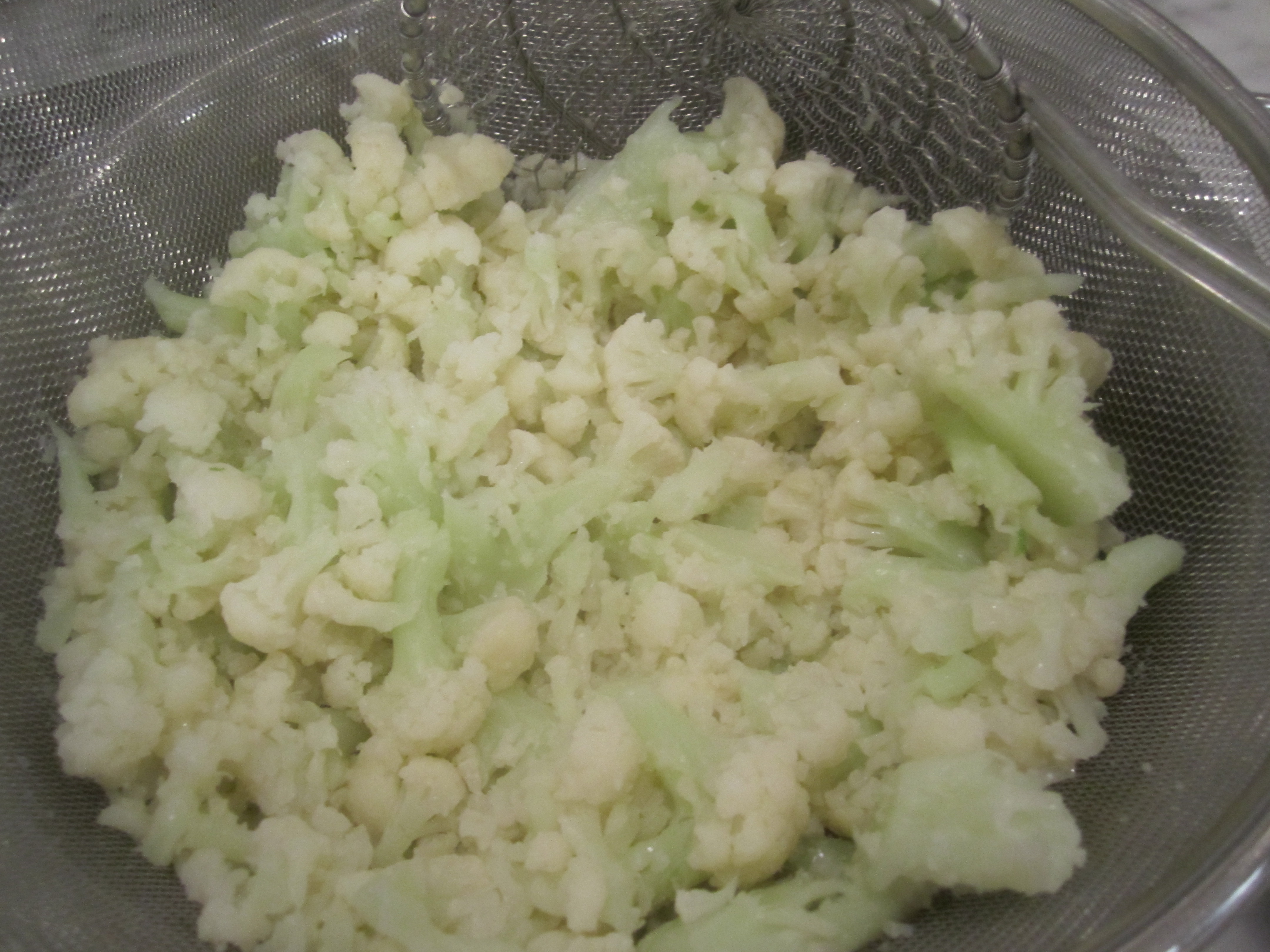
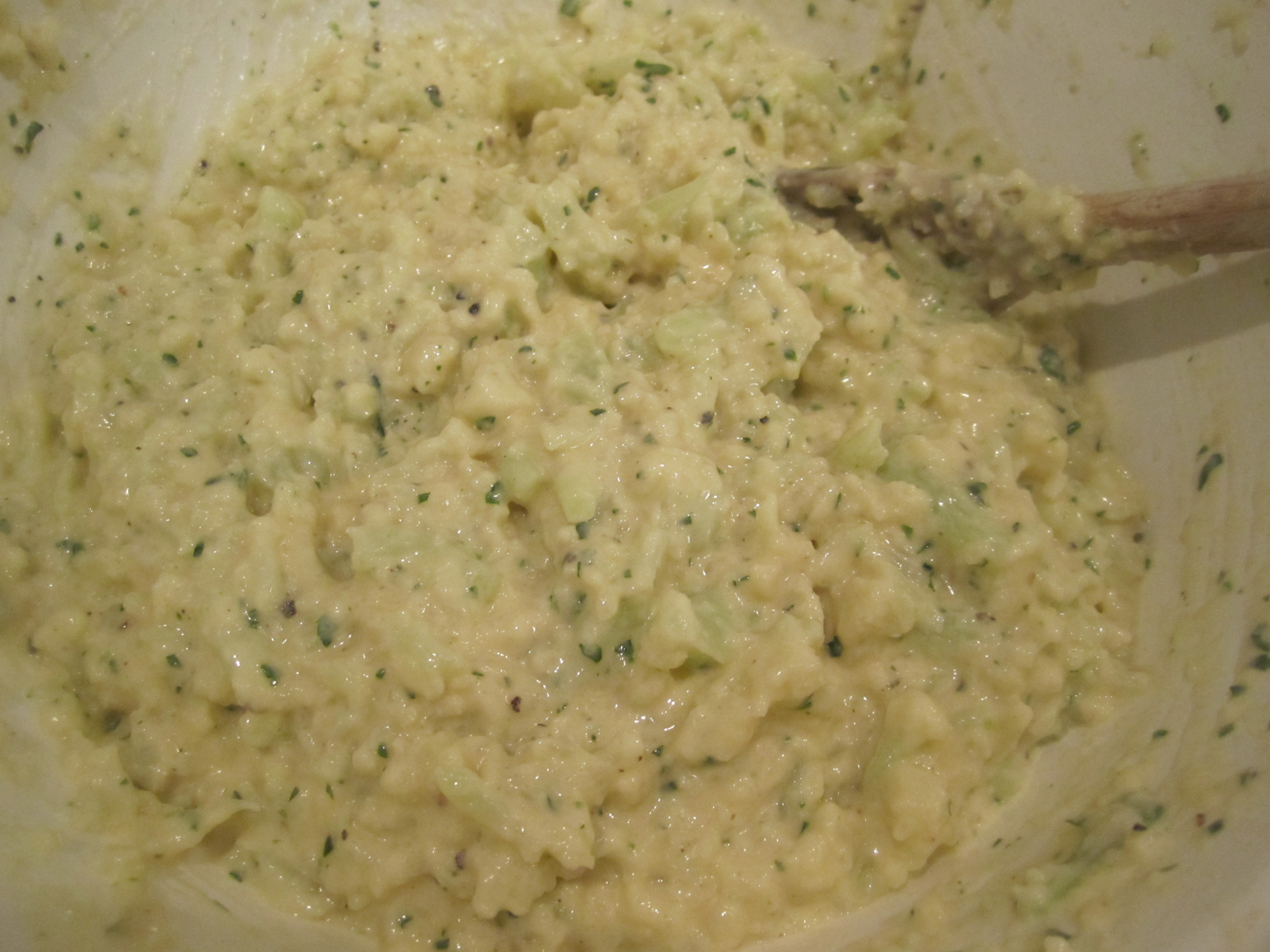
To make the batter, simply cut the cauliflower into bite-size pieces and blanch for about 10 minutes in salted water.  Drain the pieces and lightly smash while they’re hot. Combine the remaining batter ingredients and either fry immediately or set aside for later (or in the fridge for tomorrow).

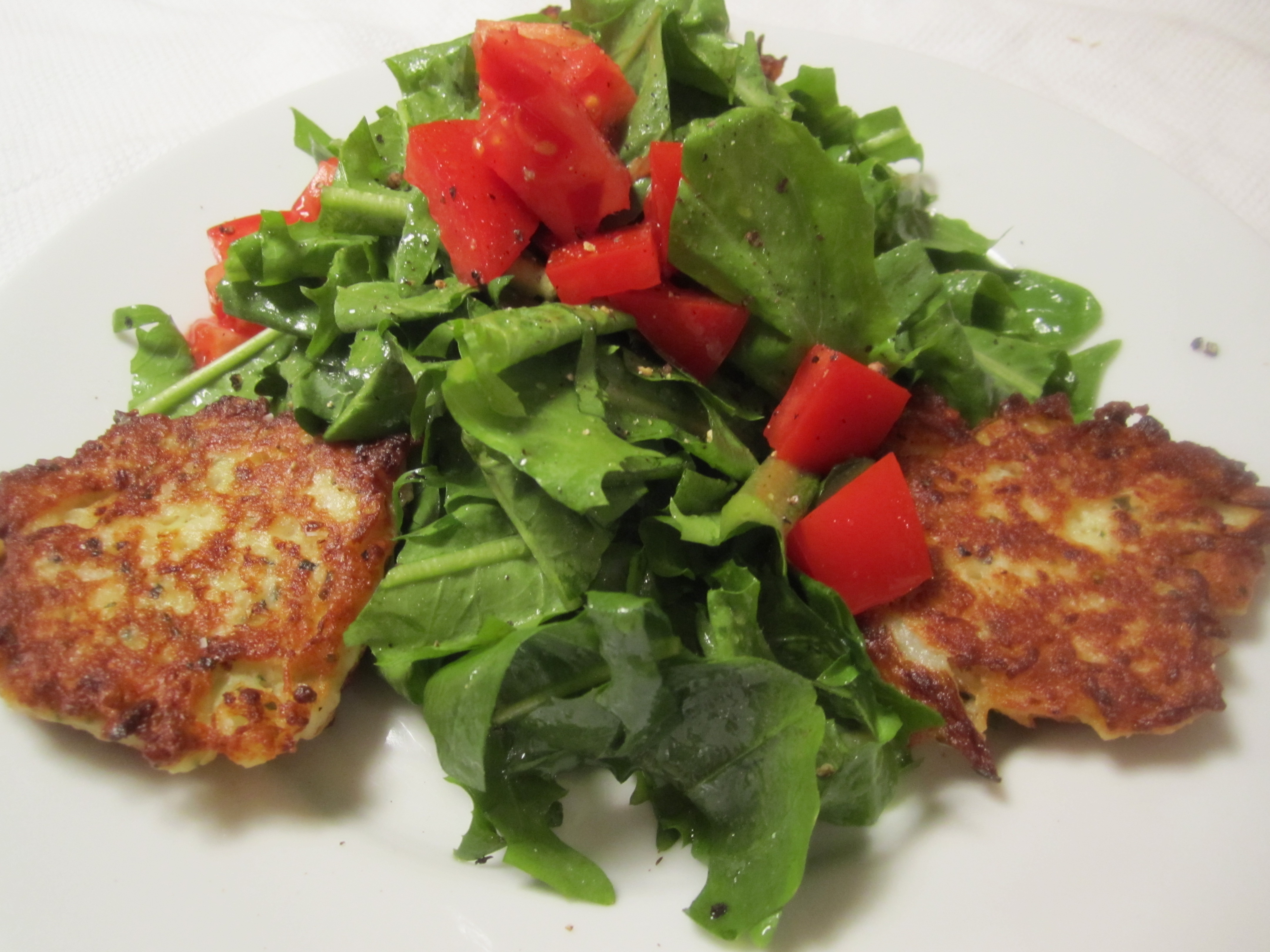
My favorite accompaniment to fritters of all kinds is salad.  I think that the richness of the crispy fried pancakes is always enhanced by something cool, fresh and acidic.  The salad for tonight’s fritters consisted of fresh dandelion greens, tomatoes (still local), olive oil and red wine vinegar.  Bitter dandelion greens are the perfect counterpoint to the deep cheesy flavor of these wonderful fritters.

Needless to say, like most fritters, they’re also great cold the next day, or can be frozen.  You can freeze them one of two ways–either freeze the batter, then thaw and form into patties and fry, or you can freeze the fully cooked fritters, thaw and reheat in a 400 degree oven for about 15 minutes.

Mom’s Cauliflower Fritters

makes a large batch–enough for appetizers for 6

1 large head cauliflower

4 large eggs

2 c grated pecorino romano

1 c flour

1/2 tsp baking powder

1 1/2 tsp salt

1 tsp black pepper

1/4 c fresh chopped parsley

3/4 c water

1/4 c milk

Olive oil for frying

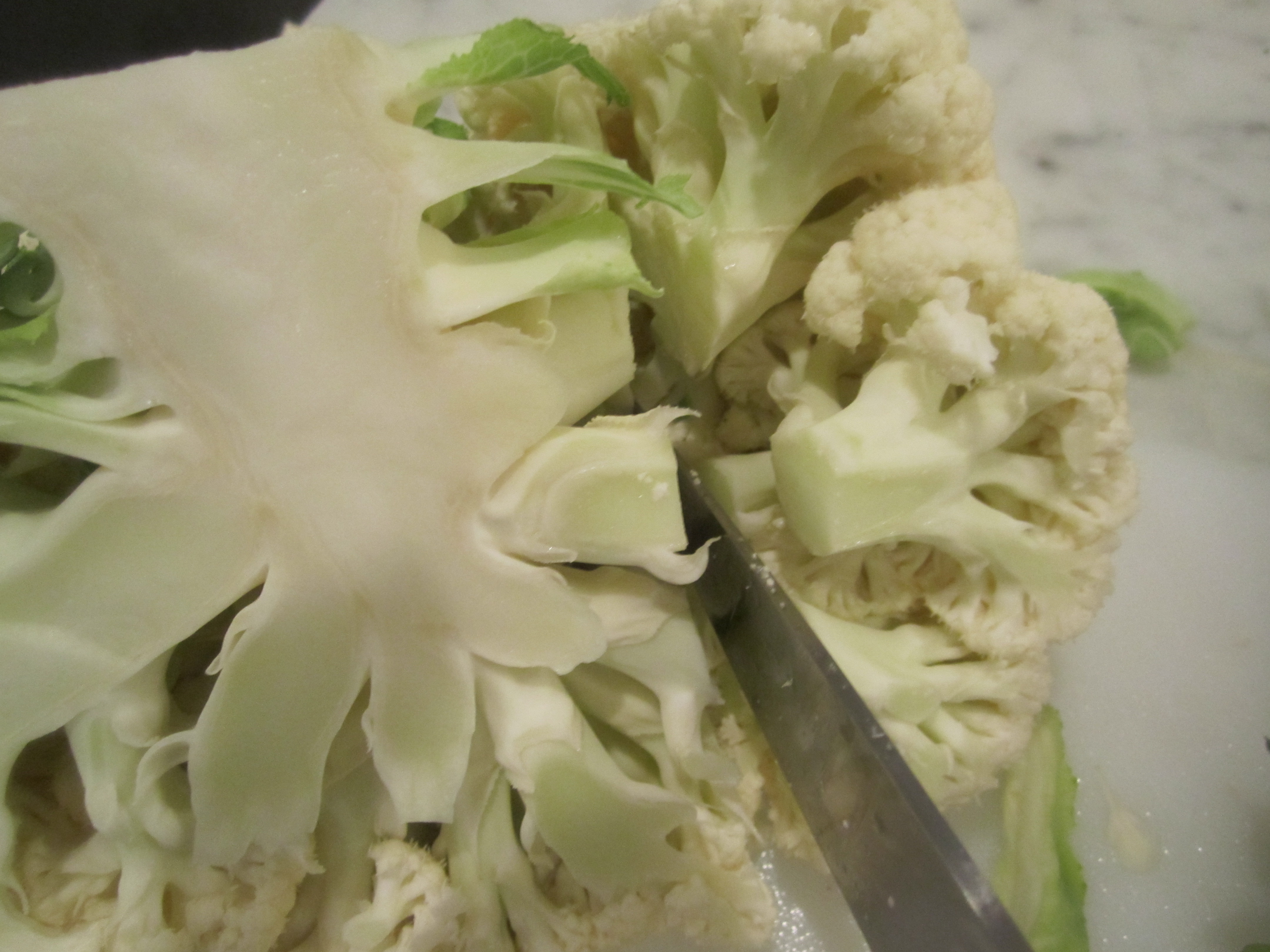
Bring a large pot of well-salted water to a boil.   To cut into bite-size pieces, simply remove the base of the cauliflower and slice down the sides of the trunk, letting the small florets fall off.  Separate them further by cutting any large florets in half or even in quarters.

Boil for about 10 minutes or until fairly soft.  Drain in strainer and press with back of spider or wooden spoon to mash slightly.

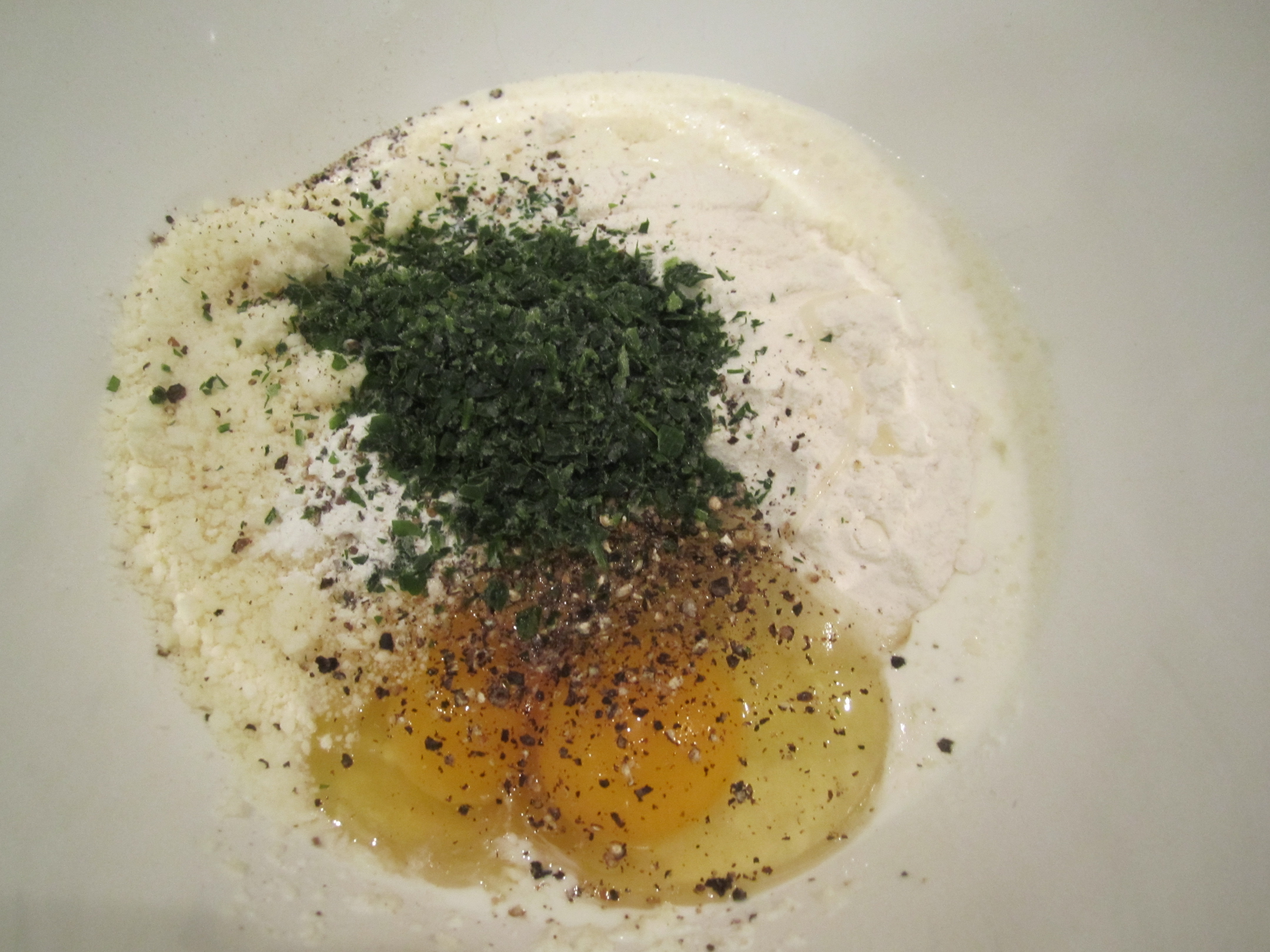
Combine remainder of ingredients except oil, and add cauliflower to batter.

Stir batter to incorporate and further mash the cauliflower pieces.

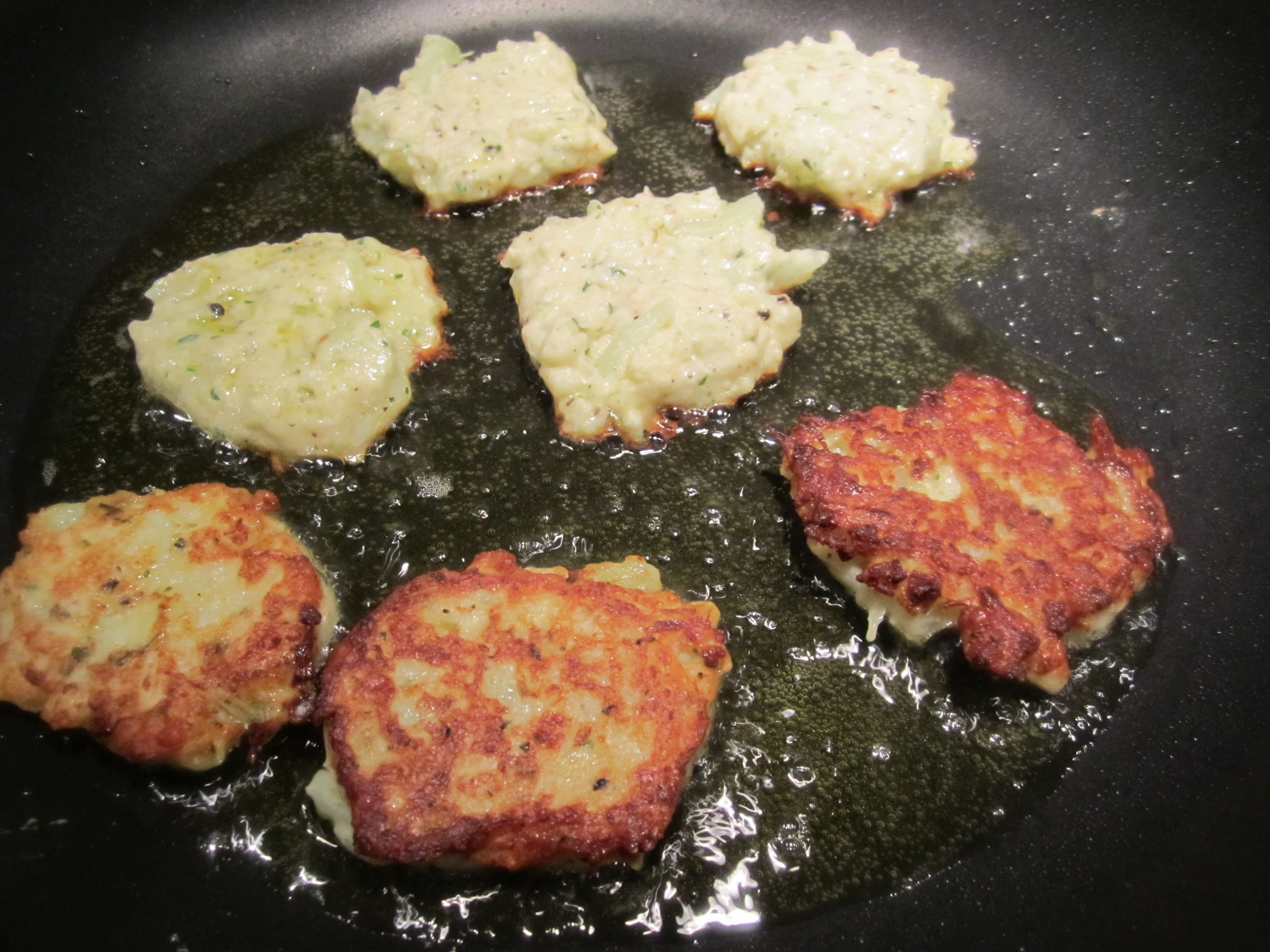
Heat oil in a nonstick skillet until hot but not quite smoking.  Drop in fritters by the heaping tablespoon.  If the first fritter doesn’t sizzle as soon as it hits the oil, allow the oil to heat a bit more.  On medium heat, fry in batches and do not overcrowd pan.

When the edges are golden brown, turn and fry on the other side until golden brown.  May be frozen (or alternatively, freeze the batter and form the fritters and fry after thawed).

Posted in Vegetables | 1 Comment

Beppi’s Leek and Potato Soup

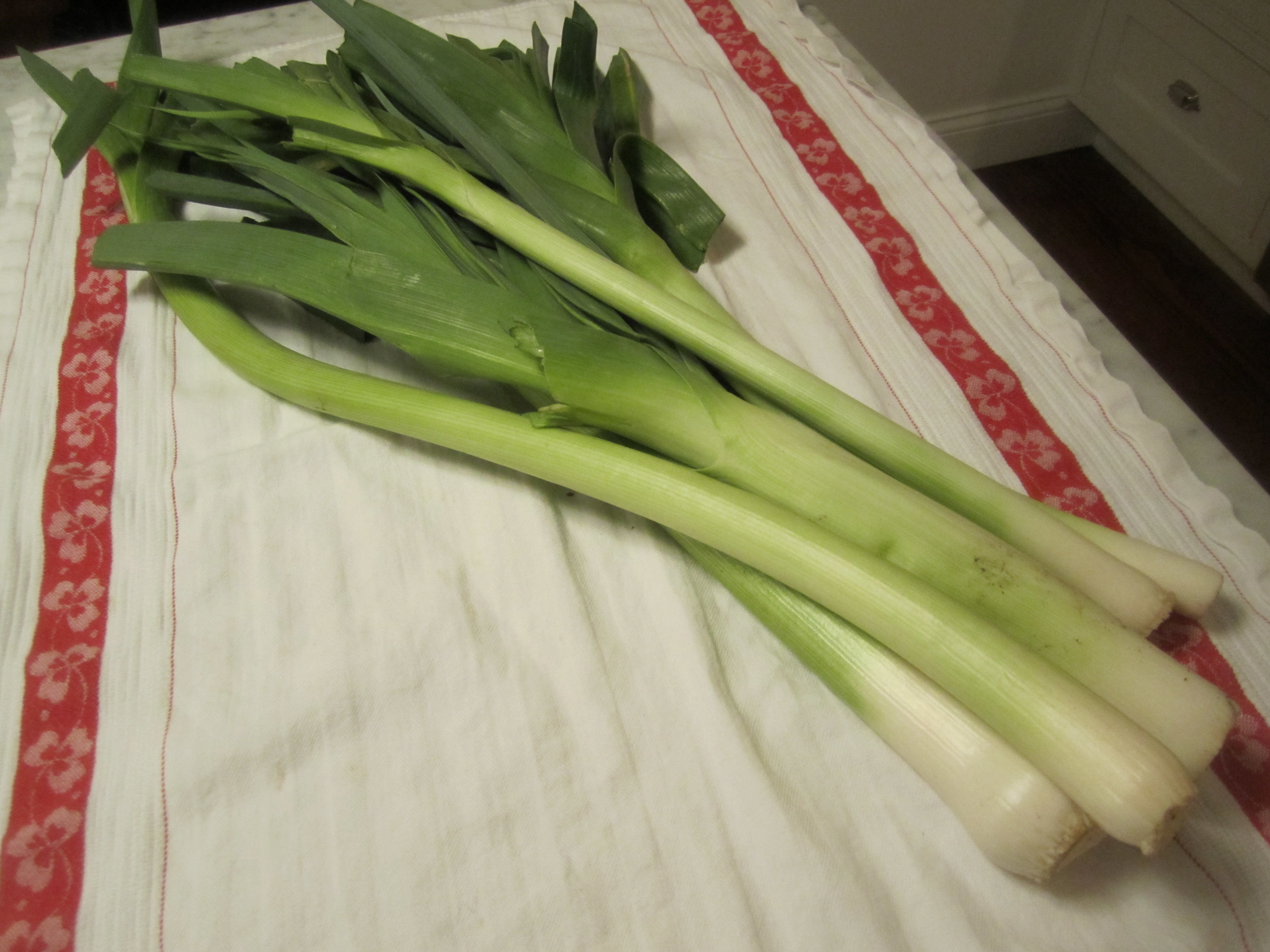
Leeks are the last crop my neighbor Beppi harvests from his garden before the onset of winter.  They are the slowest growing of all his vegetables as well–planted in early spring and not ready for harvest until late October/early November.

I’ve been waiting to receive these leeks so I could try my hand at making Beppi’s leek and potato soup.  I watched him make it for his birthday dinner a couple of weeks ago and I’ve wanted to make it ever since.

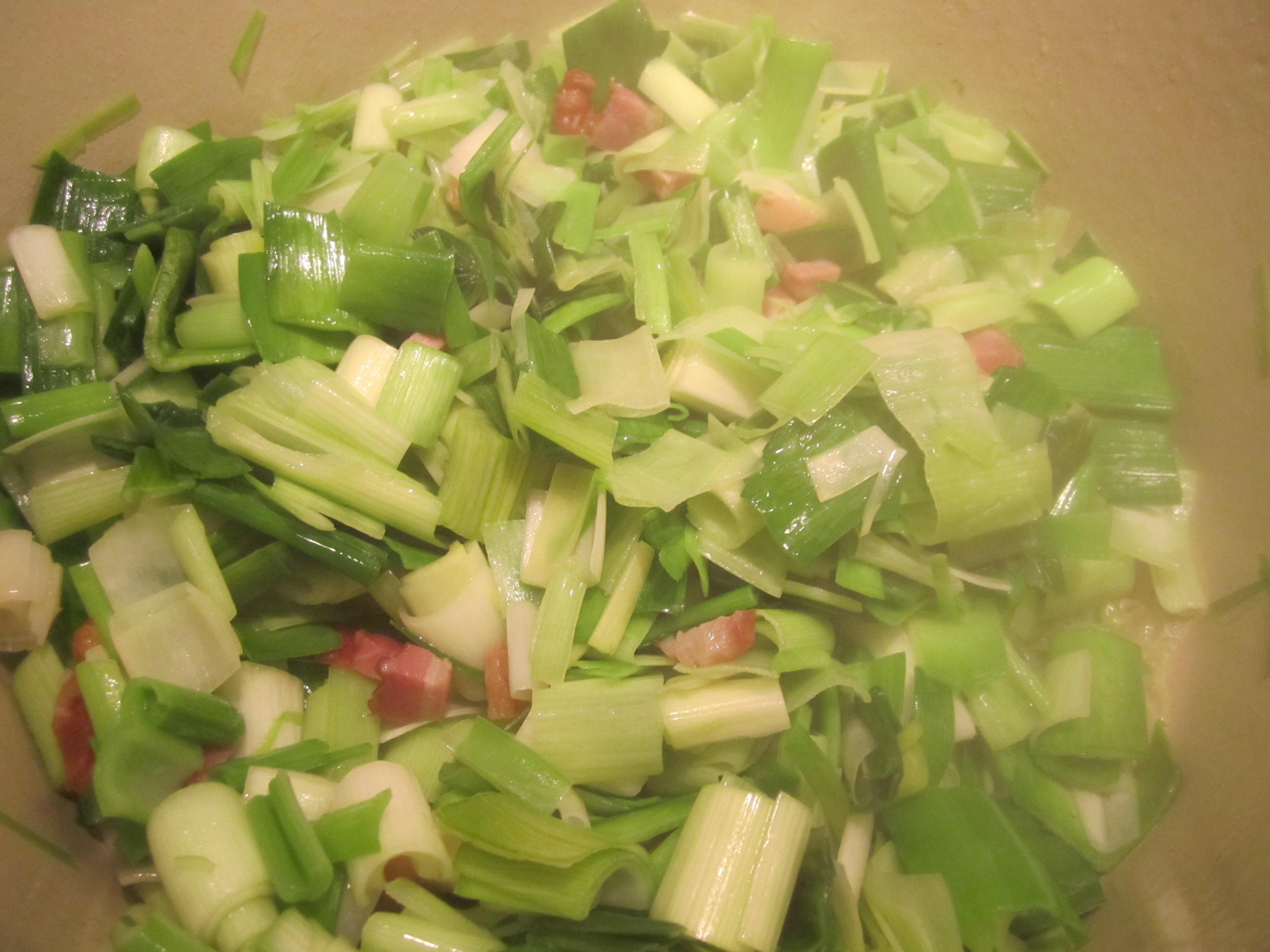
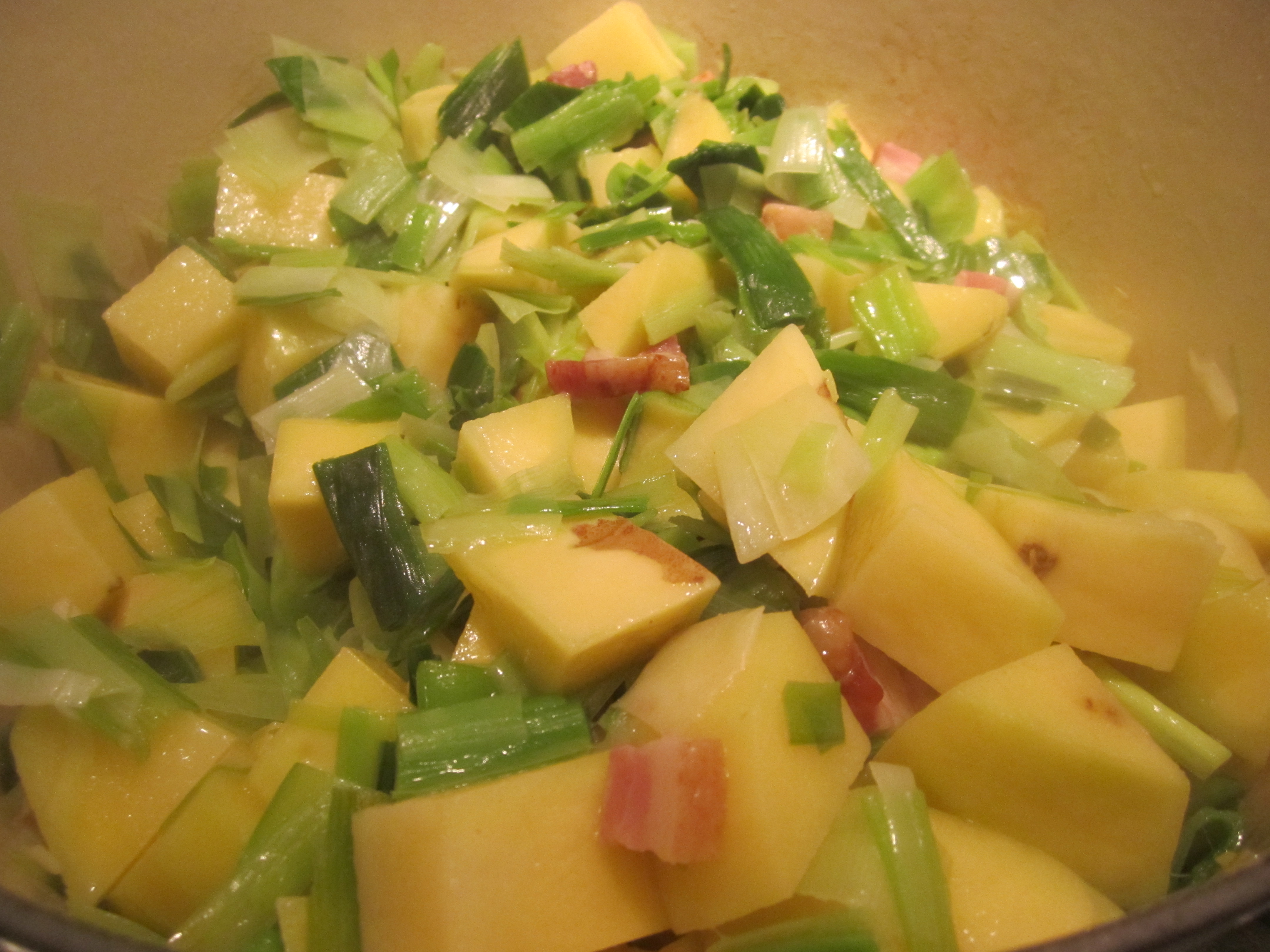
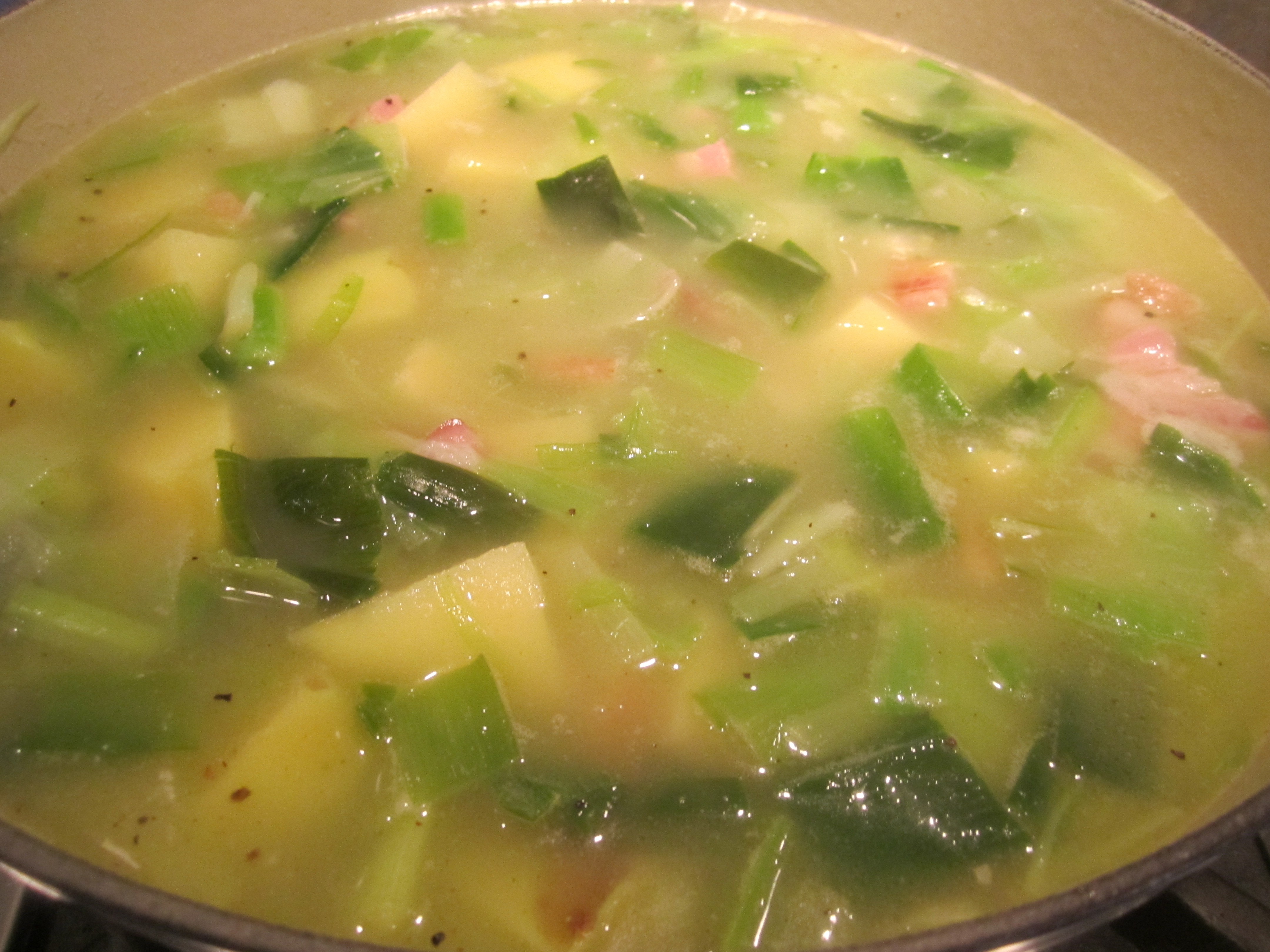
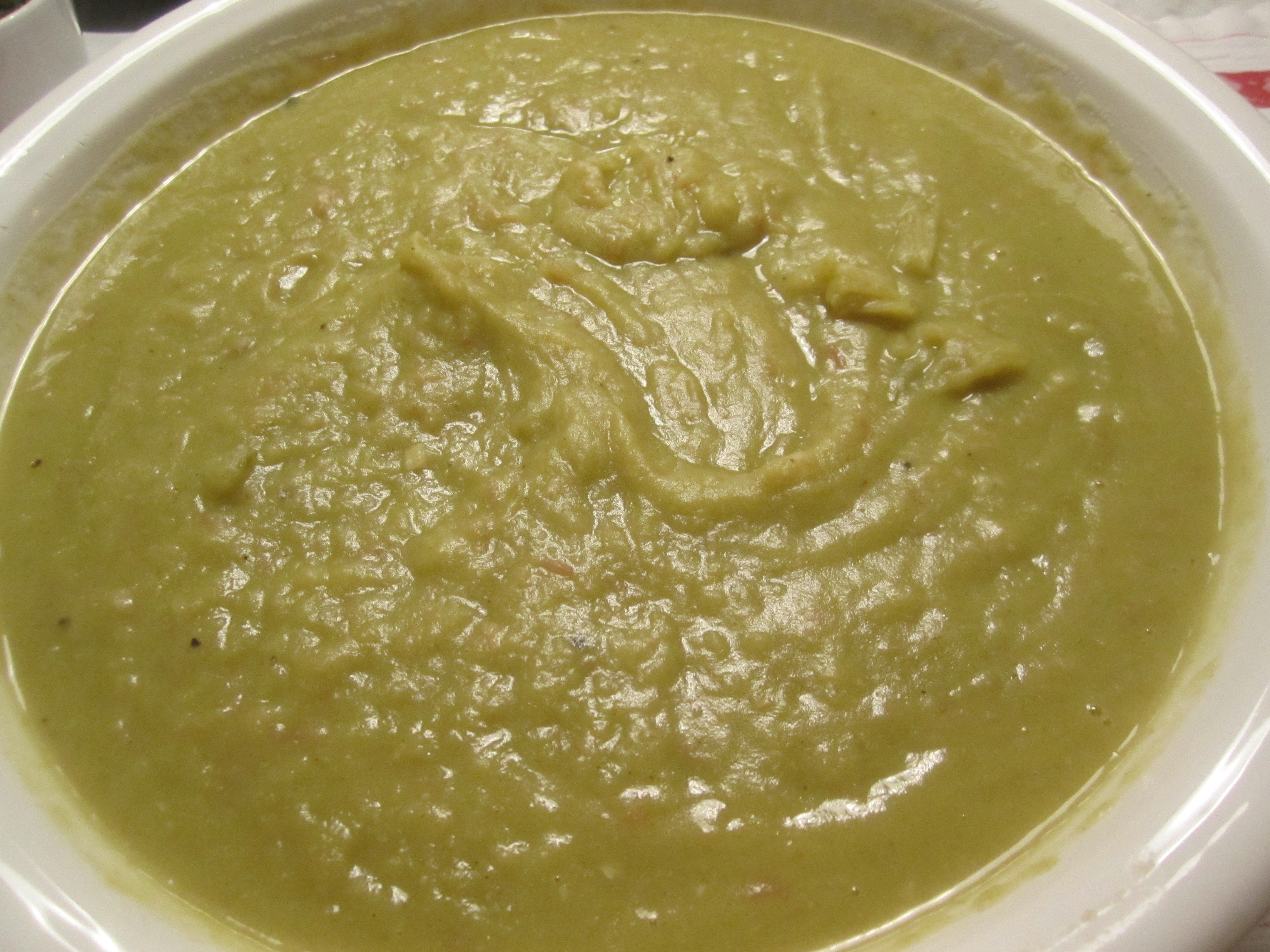
The technique and ingredients are simple–saute pancetta (I’m using bacon because I have it in the house, although Beppi would probably not approve), leeks and potatoes in butter.  Add chicken broth and simmer for an hour.  Cool and puree.  The dish will depend on quality of your ingredients and your ability to season it properly with salt and pepper.

Often when someone makes soup for the first time, their complaint is that it tastes bland.  This is usually due to under-salting.  Add salt judiciously–hold back a little until the soup is almost finished cooking so as not to risk over-salting, but keep adding salt until it hits that high flavor mark that you’ll recognize once you’ve hit it.

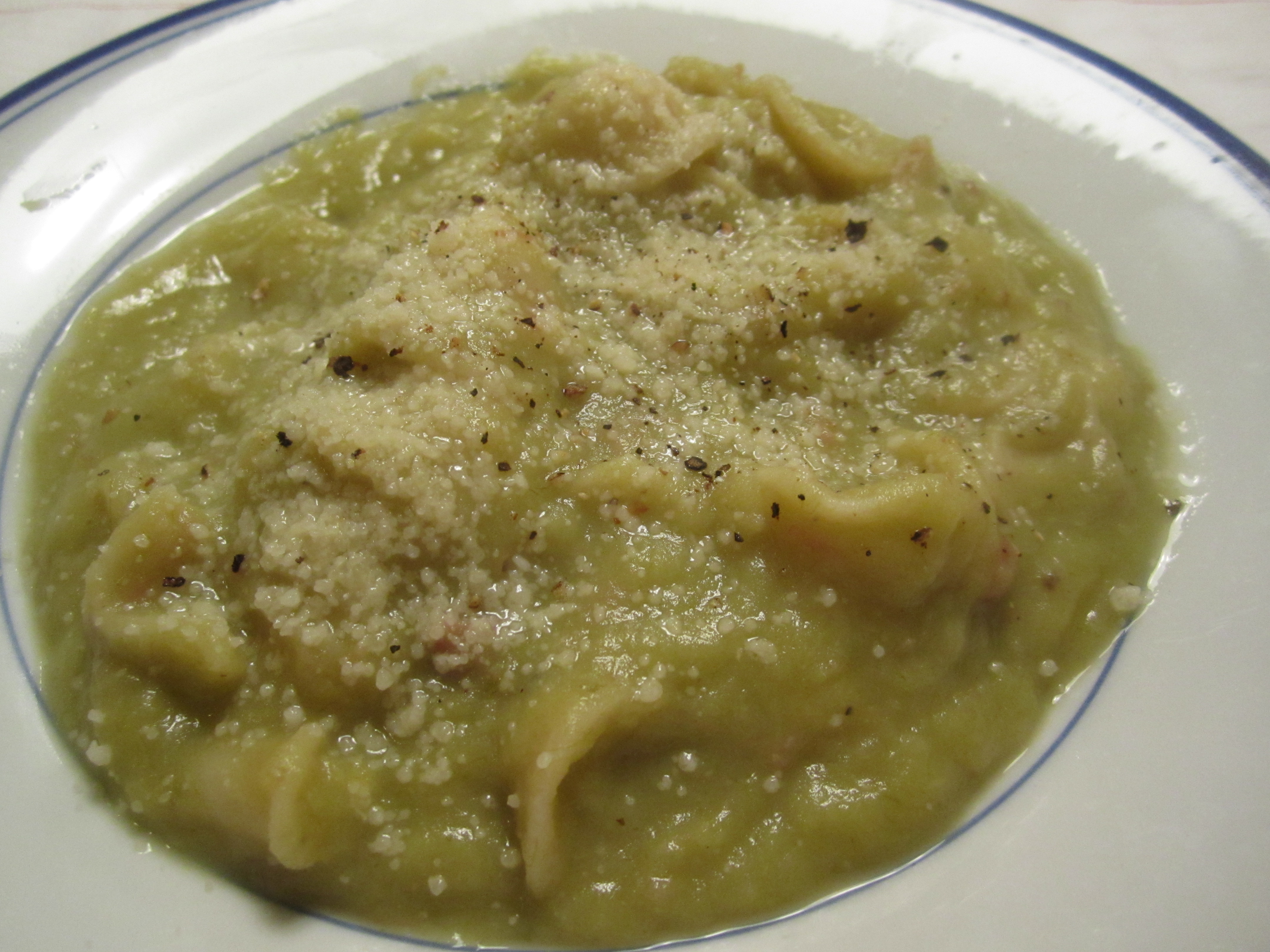
Beppi sometimes adds cooked orrechiette to the soup and uses the soup as a pasta sauce.  I’ve decided to do that tonight, since it’s my main course.

Beppi’s Leek and Potato Soup

Makes a large batch–easily  enough for 12 portions–more if you’re adding pasta to it.

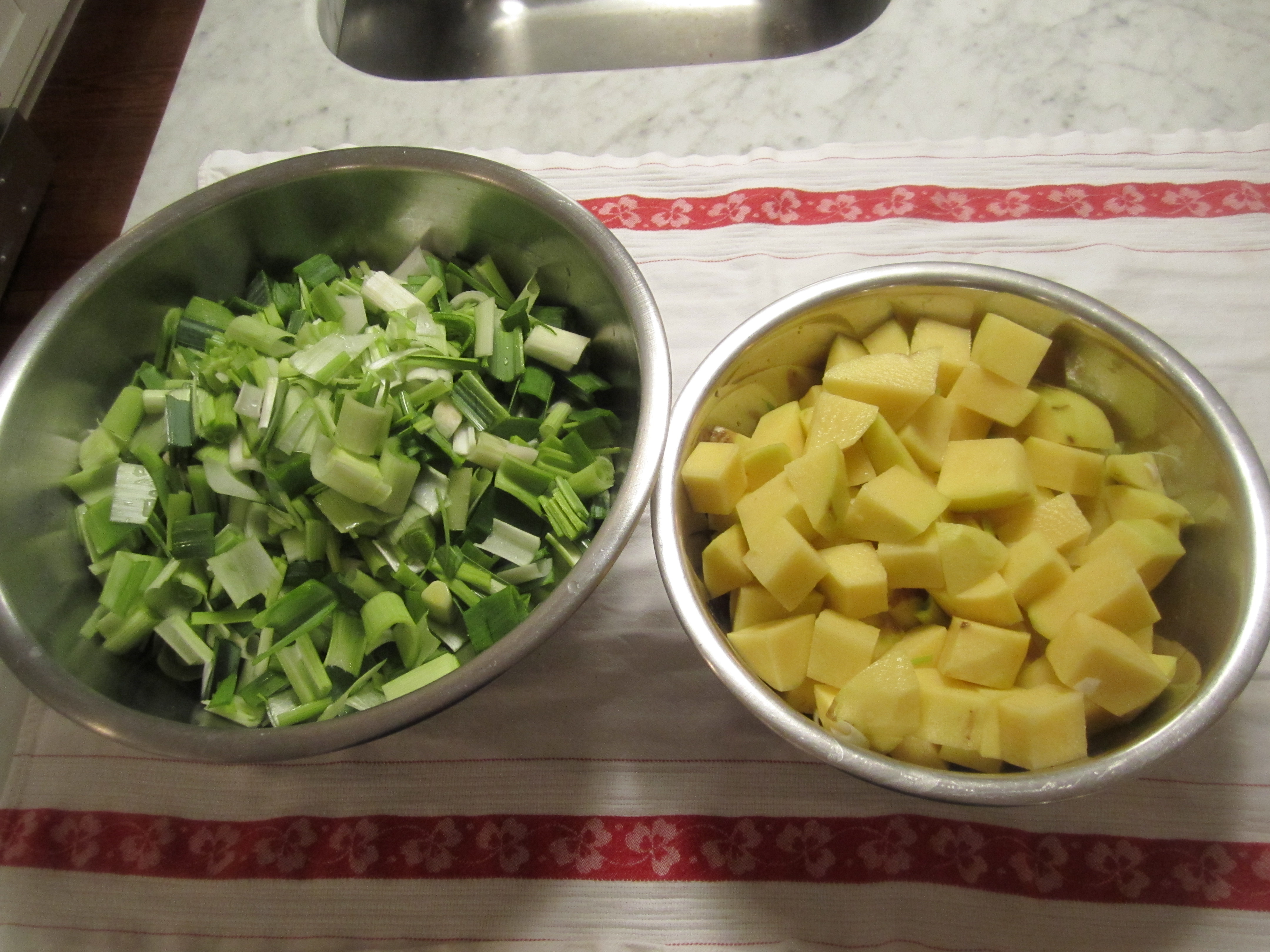
6 – 8 leeks (depending on size)–should yield approximately 15 cups of chopped leeks

4 lbs potatoes–about 12 cups of 1″ cubes

1 stick (8 tbls) butter

1/4 lb bacon (cubes) or pancetta (sliced then diced)

3 qts chicken broth (can be bouillon)

salt and pepper to taste

cooked orrechiete (about a half cup per person), if using

grated parmigiano for sprinkling at the table

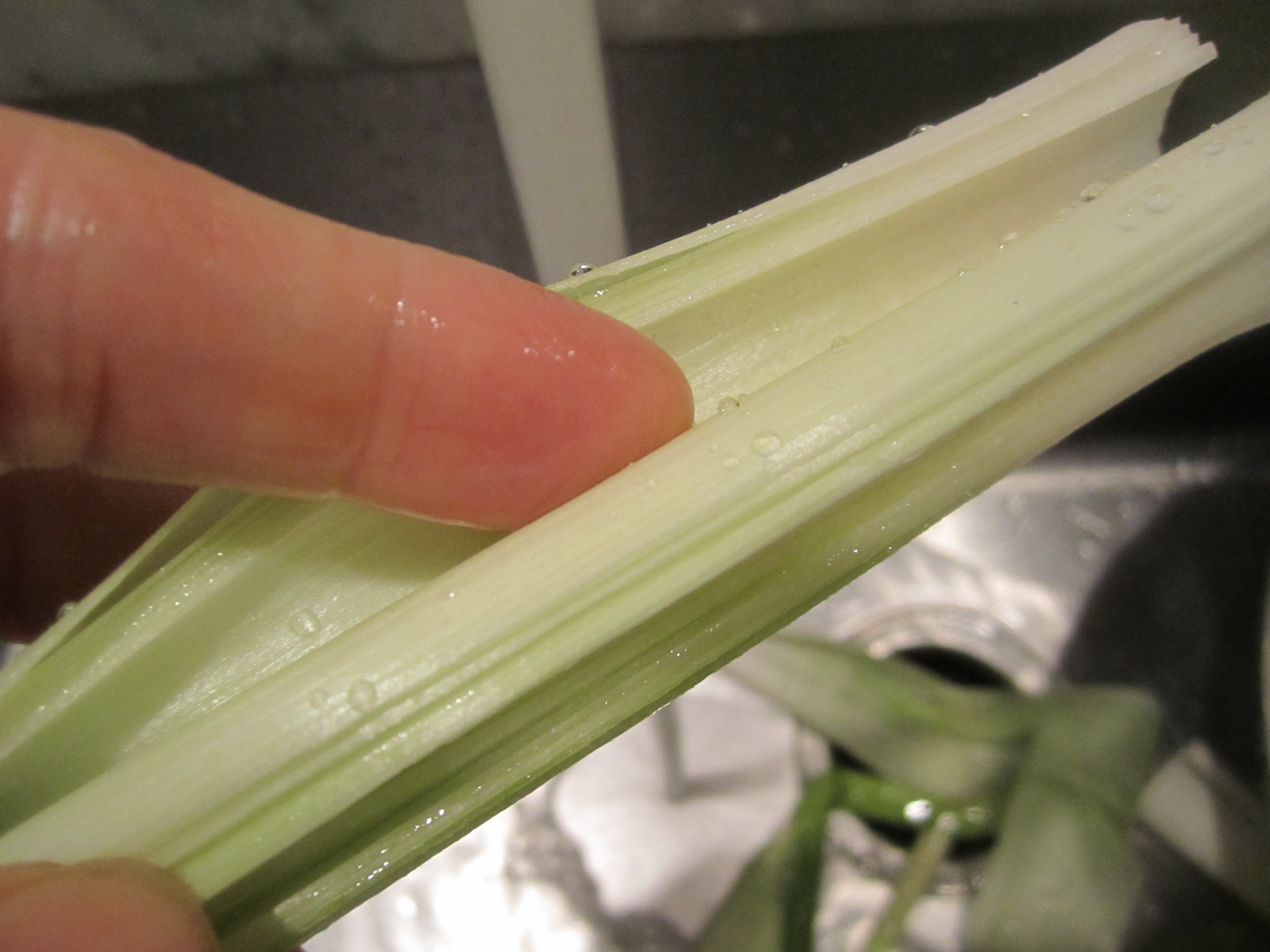
wash leeks by removing the root as well as a 1/2 inch of the base, then splitting and separating the sections under running water, until all visible dirt has been removed.

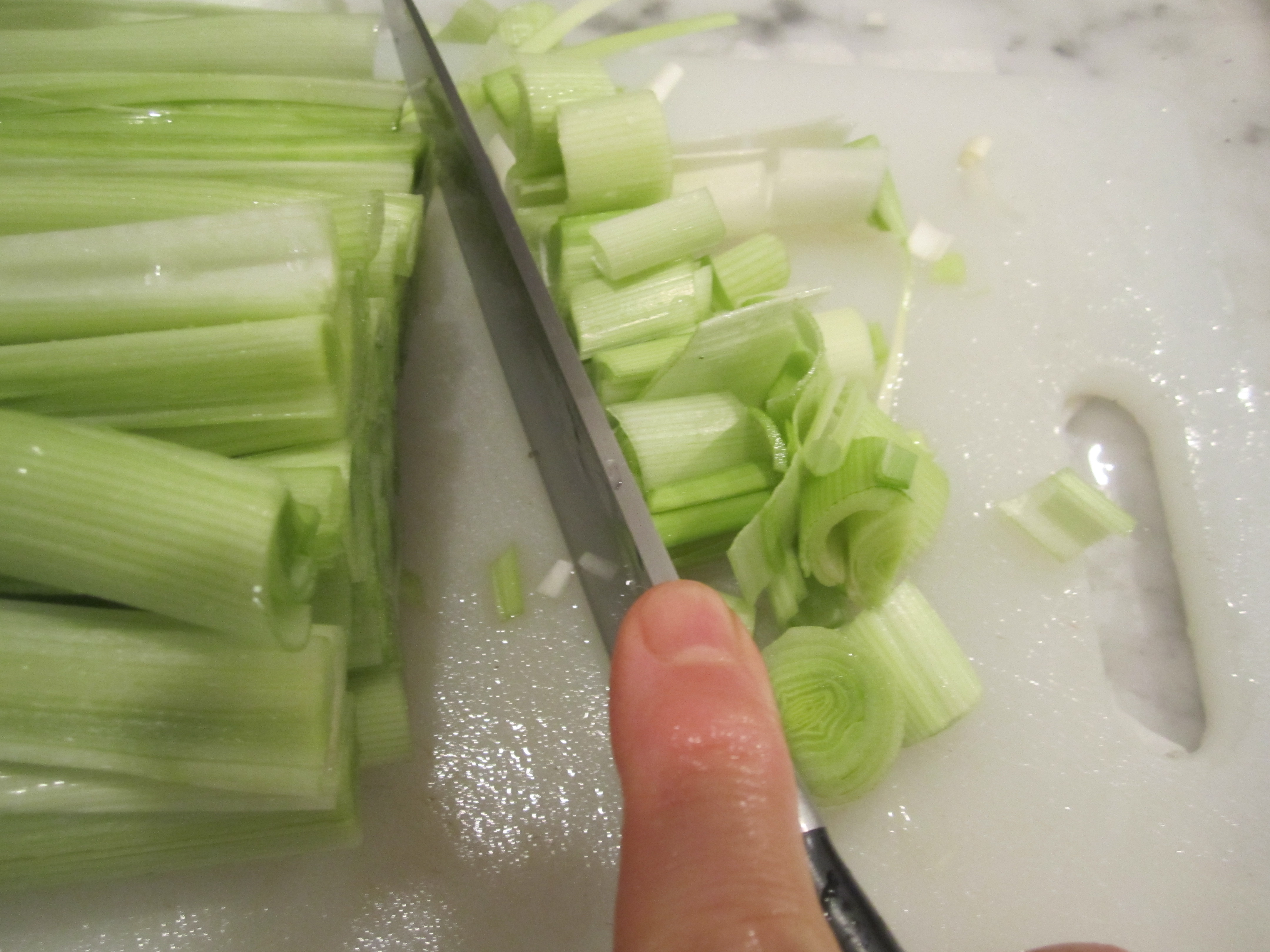
Slice crosswise the entire leeks, greens and all.

Wash, peel and dice potatoes into 1″ cubes.

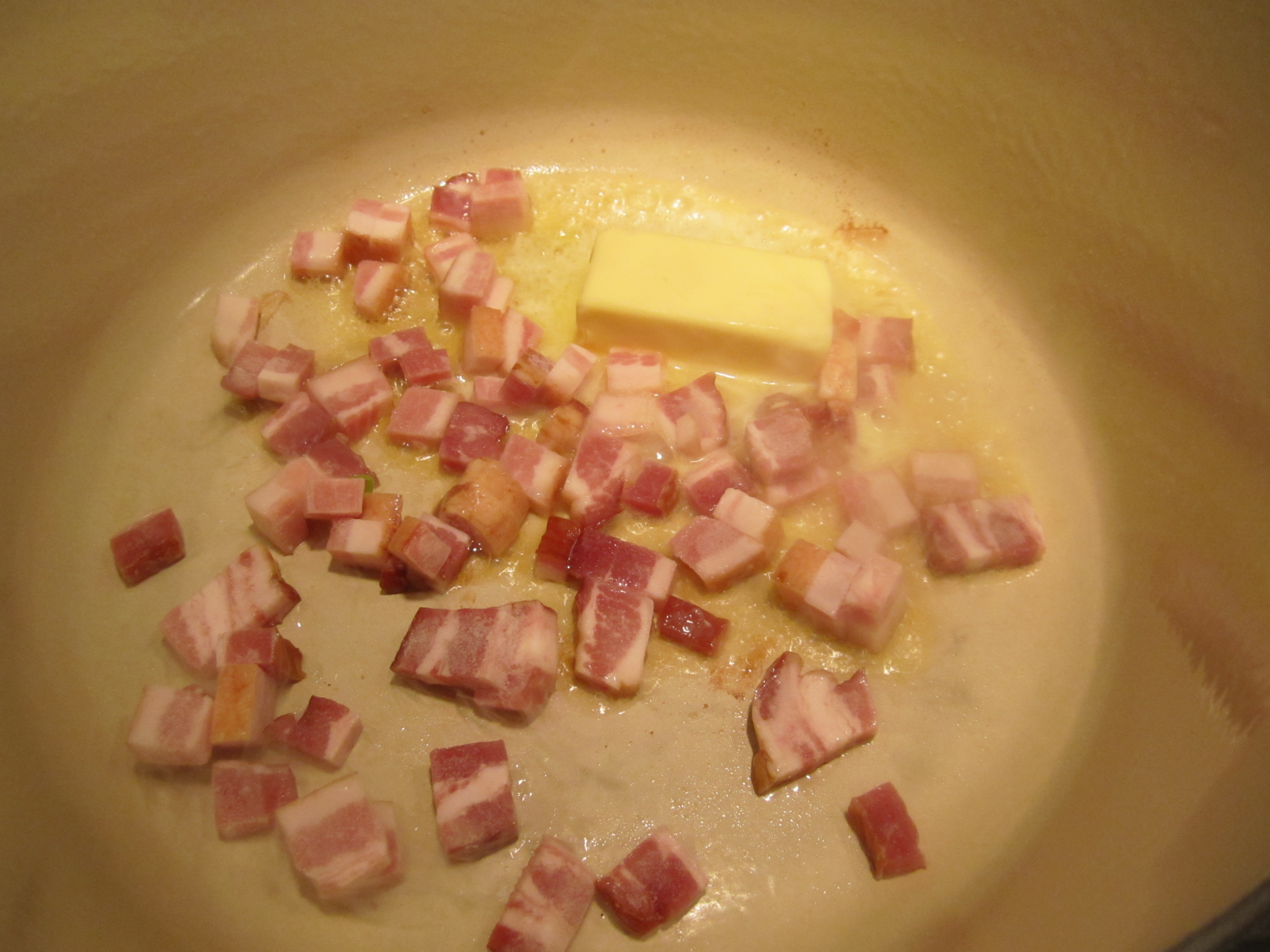
In a heavy-bottomed dutch oven on low heat, render bacon in butter for about 3 minutes.

Turn heat to high and add leeks and saute until leeks have reduced slightly in volume–about 5 minutes.

Add potatoes and continue sauteing for another 5 minutes.

Add broth and simmer, partially covered for 1 hour.

After 1 hour, the potatoes and leeks will be very tender.  Taste and add salt and pepper–Beppi adds an aggressive amount of pepper (at least a teaspoon).

 Allow to cool slightly about a half-hour is sufficient), then process to a smooth puree in the food processor, working in batches.  Be careful not to overload the processor, since warm liquid tends to combust a bit, leaving your countertop (and you) covered in thick, molten soup.

Freezes well indefinitely.  To reheat, add a bit of broth or salted water to thin the soup.

If serving with pasta, simply boil pasta and add to soup at the last minute.  Serve with plenty of grated parmigiano.

Posted in Soup/Stew | Leave a comment